
How To Manage Chemotherapy Side Effects Safely
Chemotherapy is an important cancer treatment that uses medicines to destroy or control cancer cells. Because these medicines can also affect some healthy cells, patients may experience different side effects during treatment. Understanding HOW TO MANAGE CHEMOTHERAPY SIDE EFFECTS can help patients and caregivers respond to these changes more confidently.Side effects are not the same for everyone. Some people experience only mild effects, while others may have several symptoms during or after a treatment cycle. The type and intensity can depend on the chemotherapy medicine, dosage, treatment schedule, cancer type, and individual health.The good news is that many chemotherapy side effects can be managed with appropriate medical support. Doctors may recommend medicines, dietary adjustments, activity changes, hydration strategies, or other supportive measures depending on the symptoms.
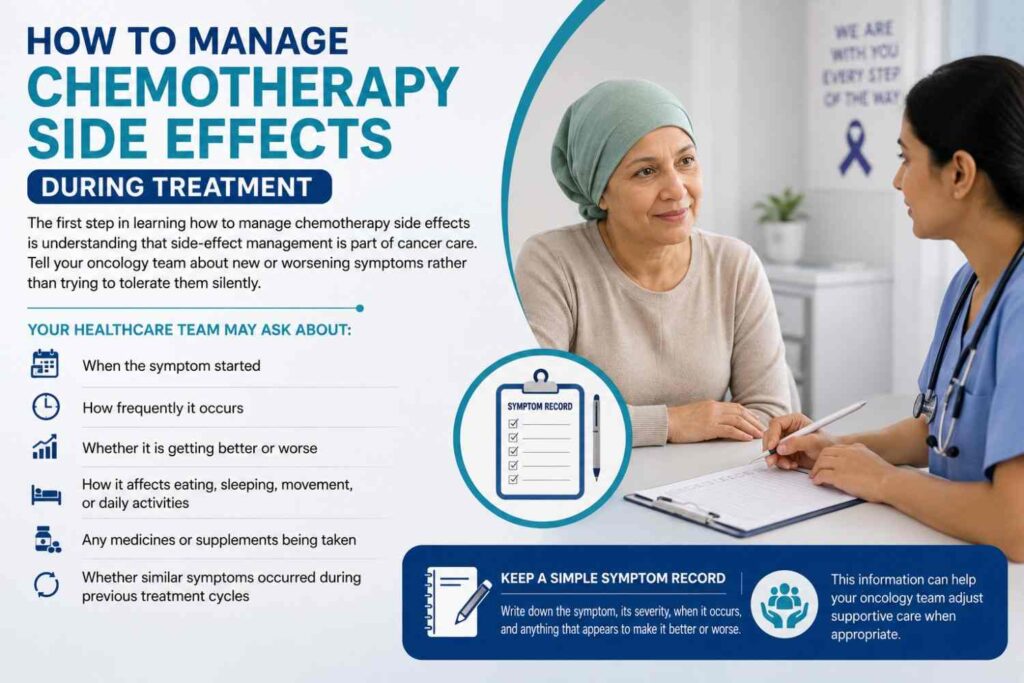
HOW TO MANAGE CHEMOTHERAPY SIDE EFFECTS During Treatment
The first step in learning HOW TO MANAGE CHEMOTHERAPY SIDE EFFECTS is understanding that side-effect management is part of cancer care. Patients should tell their oncology team about new or worsening symptoms rather than trying to tolerate them silently.
Your healthcare team may ask about:
- When the symptom started
- How frequently it occurs
- Whether it is getting better or worse
- How it affects eating, sleeping, movement, or daily activities
- Any medicines or supplements being taken
- Whether similar symptoms occurred during previous treatment cycles
Keeping a simple symptom record can be useful. Write down the symptom, its severity, when it occurs, and anything that appears to make it better or worse.This information can help the oncology team adjust supportive care when appropriate.
1. Managing Chemotherapy-Related Nausea and Vomiting
Nausea and vomiting are commonly associated with some chemotherapy medicines. Fortunately, several approaches can help control these symptoms.Doctors may prescribe anti-nausea medicines before or after chemotherapy. These medicines should be taken according to the treatment team’s instructions.
Helpful everyday strategies may include:
- Eating smaller meals more frequently
- Eating slowly
- Choosing foods that are easier to tolerate
- Drinking fluids regularly
- Avoiding strong food smells if they trigger nausea
- Sitting upright after eating
- Keeping suitable snacks available
Some people find cold or room-temperature foods easier to tolerate because they may have less smell than hot foods.If vomiting continues or you cannot keep fluids down, contact your healthcare team. Persistent vomiting can lead to dehydration and may require medical treatment.
2. Managing Chemotherapy Fatigue
Fatigue can be one of the most challenging chemotherapy side effects. It may feel different from ordinary tiredness and may not completely disappear after sleeping.To manage chemotherapy-related fatigue:
Balance activity and rest
Avoid pushing yourself through severe exhaustion. At the same time, remaining inactive all day may make weakness and tiredness more difficult to manage.Gentle activity, such as short walks, may be appropriate for some patients.
Prioritize important tasks
Save your energy for activities that matter most. Ask family members or caregivers to help with household responsibilities when necessary.
Maintain regular sleep habits
Try to keep a consistent sleep and wake schedule. A comfortable sleeping environment may also support better rest.
Discuss persistent fatigue with your doctor
Fatigue may sometimes be related to anemia, infection, poor nutrition, dehydration, pain, sleep problems, or other medical issues. Your doctor can determine whether additional evaluation is needed.
3. Managing Appetite Changes and Weight Loss
Chemotherapy can sometimes affect appetite, taste, smell, or the ability to eat comfortably.Instead of focusing on three large meals, some patients may find smaller meals throughout the day easier.
Helpful strategies include:
- Eating nutrient-rich foods
- Choosing protein-containing foods when tolerated
- Eating small portions more frequently
- Keeping easy-to-eat foods available
- Drinking fluids between meals when appropriate
- Discussing persistent appetite loss with the healthcare team
Taste changes can also affect food preferences. Foods that were previously enjoyable may suddenly taste different.A dietitian experienced in cancer care can provide individualized nutritional guidance when appetite or weight becomes a concern.
4. Managing Mouth Sores and Oral Changes
Some chemotherapy treatments can cause mouth tenderness, dryness, ulcers, or changes in taste.Good oral care can be important during treatment.
Patients may be advised to:
- Maintain gentle oral hygiene
- Use a soft toothbrush
- Keep the mouth adequately hydrated
- Avoid foods that irritate sore areas
- Discuss suitable mouth rinses with the healthcare team
- Report persistent mouth sores
Very spicy, acidic, hard, or extremely hot foods may be uncomfortable when the mouth is sensitive.If mouth sores make it difficult to eat, drink, or swallow, contact your treatment team.
5. Managing Diarrhea and Constipation
Changes in bowel habits can occur during cancer treatment. Both diarrhea and constipation may require attention.
Managing diarrhea
Depending on the cause and severity, your healthcare team may recommend dietary changes, fluids, or medication.
During diarrhea:
- Drink appropriate fluids.
- Follow your doctor’s dietary advice.
- Monitor how frequently bowel movements occur.
- Report persistent or severe diarrhea.
Managing constipation
Constipation may occur because of certain chemotherapy medicines, anti-nausea medicines, reduced activity, or changes in diet and fluid intake.
Depending on your individual situation, your healthcare team may recommend:
- Appropriate fluid intake
- Gentle physical activity
- Dietary fiber when suitable
- Medicines specifically recommended for constipation
Do not start laxatives, supplements, or other remedies without discussing them with your healthcare team, particularly during cancer treatment.
6. Managing Hair Loss and Skin Changes
Some chemotherapy medicines can cause hair thinning or hair loss. The extent depends on the specific medicine being used.Hair loss can be emotionally difficult, even when patients understand that it may be temporary.
Some people choose to:
- Cut their hair shorter
- Use head coverings
- Prepare for hair changes before treatment
- Ask their healthcare team what to expect from their particular medicine
Chemotherapy can also cause changes in skin or nails. Dryness, sensitivity, or irritation may occur with some treatments.Use gentle skin-care products and inform your medical team about significant skin changes.If a rash appears suddenly, spreads rapidly, becomes painful, or occurs with other concerning symptoms, seek medical advice.
7. Managing Nerve-Related Symptoms
Certain chemotherapy medicines can affect nerves and may cause symptoms such as tingling, numbness, burning sensations, or changes in sensitivity.These symptoms are sometimes referred to as chemotherapy-induced peripheral neuropathy.
Patients should tell their oncology team if they notice:
- Tingling in the hands or feet
- Numbness
- Burning sensations
- Difficulty handling small objects
- Balance problems
- Changes in walking
- Unusual sensitivity to temperature
Early reporting is important because your treatment team may need to assess the symptoms and determine whether changes to supportive care or treatment are appropriate.
8. Managing Changes in Blood Counts
Some chemotherapy medicines can affect the bone marrow and reduce the production of blood cells.A decrease in white blood cells may increase susceptibility to infection. A reduction in red blood cells may contribute to anemia and fatigue. Lower platelet levels can increase the tendency to bruise or bleed.Blood tests are often used during treatment to monitor these changes.Patients should follow their oncology team’s instructions about blood tests and report concerning symptoms promptly.Do not assume that every episode of tiredness, fever, bruising, or weakness is simply a normal chemotherapy side effect.
9. Managing Emotional Changes
Cancer treatment can affect emotional well-being as well as physical health.
Patients may experience:
- Worry
- Stress
- Frustration
- Sadness
- Sleep difficulties
- Fear about treatment
- Changes in confidence
- Emotional exhaustion
These feelings can vary throughout treatment.Talking with trusted family members, friends, counselors, support groups, or healthcare professionals may help.If emotional distress becomes overwhelming or interferes significantly with daily life, discuss it with your healthcare team. Psychological and supportive care can be an important part of comprehensive cancer treatment.
Why Side Effects Happen
To understand HOW TO MANAGE CHEMOTHERAPY SIDE EFFECTS, it helps to understand why they occur.Chemotherapy medicines are designed to affect cancer cells, particularly cells that grow and divide rapidly. However, some healthy cells also naturally grow and divide quickly.
These may include cells in:
- Hair follicles
- The digestive tract
- Bone marrow
- The mouth
When chemotherapy affects these healthy cells, symptoms such as hair loss, nausea, mouth problems, changes in blood counts, and bowel changes may occur.Not every chemotherapy medicine causes the same effects. Two people receiving different medicines may therefore have very different treatment experiences.
Benefits of Proper Side-Effect Management
Learning HOW TO MANAGE CHEMOTHERAPY SIDE EFFECTS is not simply about making treatment more comfortable.
Effective side-effect management can help patients:
- Maintain adequate hydration
- Support nutritional intake
- Continue appropriate daily activity
- Sleep more comfortably
- Reduce unnecessary discomfort
- Identify complications earlier
- Communicate effectively with the oncology team
- Follow their treatment plan more safely
Side-effect management should therefore be considered an active component of supportive cancer care.
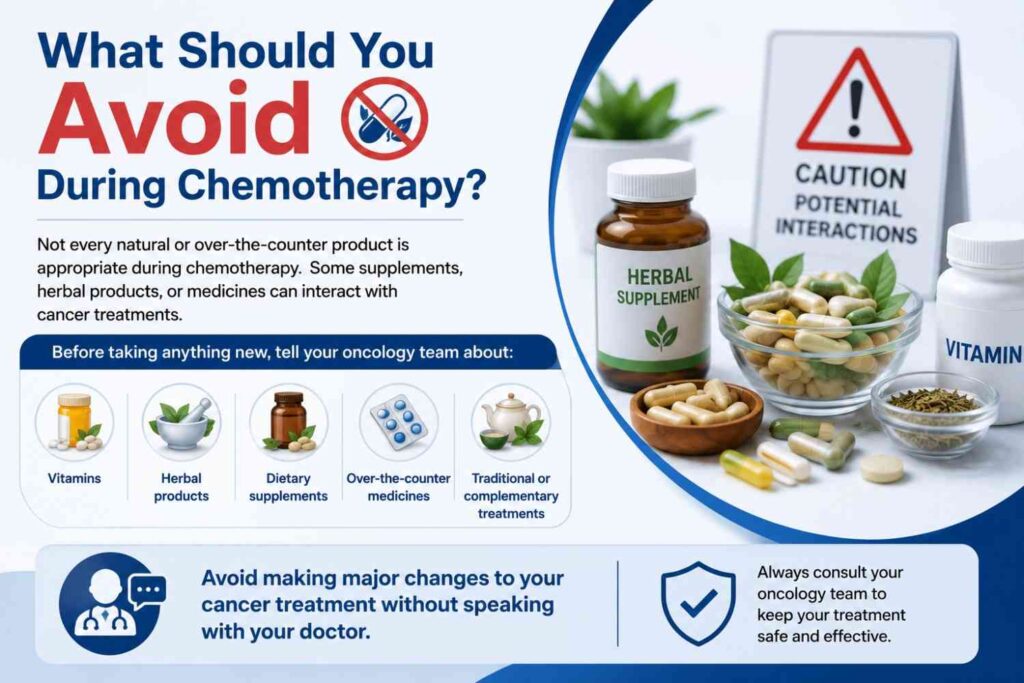
What Should You Avoid During Chemotherapy?
Patients sometimes try home remedies or supplements after reading about them online. However, not every natural or over-the-counter product is appropriate during chemotherapy.Some supplements, herbal products, or medicines can interact with cancer treatments.
Before taking anything new, tell your oncology team about:
- Vitamins
- Herbal products
- Dietary supplements
- Over-the-counter medicines
- Traditional or complementary treatments
Avoid making major changes to your cancer treatment without speaking with your doctor.
When Should You Contact Your Doctor?
Knowing HOW TO MANAGE CHEMOTHERAPY SIDE EFFECTS also means knowing when a symptom requires medical attention.Contact your healthcare team promptly if you experience concerning symptoms such as:
- Fever or chills
- Persistent vomiting
- Difficulty breathing
- Severe diarrhea
- Significant dehydration
- Unusual bleeding
- Severe weakness
- Confusion
- New or worsening pain
- Difficulty swallowing
- Signs of infection
- Rapidly worsening symptoms
Your cancer treatment team may provide specific instructions about which symptoms require immediate attention.Follow those instructions carefully because the appropriate response can vary depending on your chemotherapy regimen and overall condition.
Conclusion
Understanding HOW TO MANAGE CHEMOTHERAPY SIDE EFFECTS can help patients feel better prepared throughout cancer treatment. Nausea, fatigue, appetite changes, mouth problems, bowel changes, hair loss, nerve symptoms, blood-count changes, and emotional challenges can occur with some chemotherapy treatments, but their severity varies considerably.The most important step is maintaining open communication with the oncology team. Doctors can recommend supportive medicines, nutritional guidance, monitoring, and other strategies based on the treatment being given and the patient’s individual needs.Patients should also avoid self-medicating with supplements or home remedies without professional advice. New, severe, or rapidly worsening symptoms should be reported promptly.Chemotherapy is an individualized treatment, so side-effect management should be individualized as well. With appropriate medical guidance, symptom monitoring, practical lifestyle adjustments, and support from caregivers, patients can approach treatment with greater confidence and better understand what to expect. For reliable and evidence-based information about lung cancer, visit the American Cancer Society‘s guide on lung cancer.
FREQUENTLY ASKED QUESTIONS

Dr. Bibin Francis
Dr. Bibin Francis is a dedicated medical oncologist with expertise in chemotherapy, immunotherapy, targeted therapy, and personalized cancer treatment planning for a wide range of malignancies.
Jubilee Mission Medical College & Research Institute, Thrissur, Kerala