
Understanding Hereditary Cancer Prevention Strategies
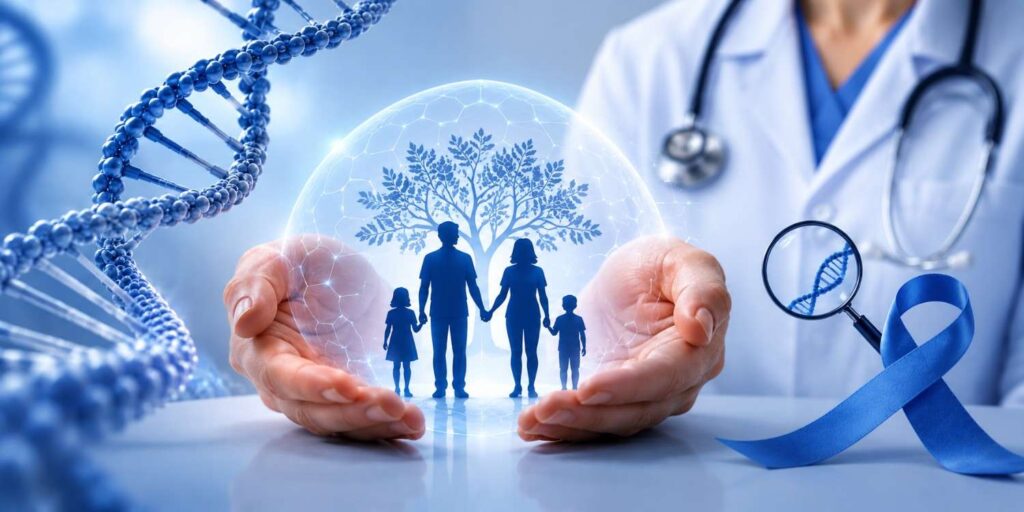
Prevention of hereditary cancers plays a crucial role in reducing cancer risk among individuals with inherited genetic mutations. While hereditary cancers account for a smaller percentage of all cancer cases, they often affect multiple family members and may occur at younger ages. Understanding hereditary cancer risk allows individuals and families to take proactive steps toward early detection, prevention, and personalized healthcare planning.
Advances in genetic testing, cancer screening, and modern oncology have significantly improved the prevention of hereditary cancers. By identifying inherited risk factors early, individuals can benefit from targeted screening programs, lifestyle modifications, and risk-reduction strategies that help improve long-term health outcomes.
What Are Hereditary Cancers?
Hereditary cancers are cancers caused by inherited genetic mutations that are passed from parents to their children. If you’re unfamiliar with how hereditary cancers develop, common hereditary cancer syndromes, and inherited cancer risk factors, read our detailed guide on what is hereditary cancers.
Common hereditary cancers include:
- Breast cancer
- Ovarian cancer
- Colorectal cancer
- Prostate cancer
- Pancreatic cancer
- Endometrial cancer
- Stomach cancer
- Certain blood cancers
Understanding hereditary cancer syndromes is the first step toward effective prevention of hereditary cancers.
Why Prevention of Hereditary Cancers Matters
Early identification of inherited cancer risk offers several important advantages.
Earlier Detection
Regular screening can identify cancer at an earlier and more treatable stage.
Improved Treatment Outcomes
Early diagnosis often leads to better treatment success rates.
Personalized Risk Management
Individuals can receive customized prevention plans based on their genetic profile.
Better Family Awareness
Family members can also understand their potential risks and pursue appropriate screening.
Greater Peace of Mind
Knowing your risk allows for informed healthcare decisions and proactive monitoring.
The prevention of hereditary cancers focuses on reducing risk before cancer develops whenever possible.
Common Genetic Mutations Linked to Hereditary Cancers
Certain inherited gene mutations significantly increase cancer risk.
BRCA1 and BRCA2 Mutations
These mutations are associated with increased risks of:
- Breast cancer
- Ovarian cancer
- Pancreatic cancer
- Prostate cancer
Lynch Syndrome
Lynch syndrome increases the risk of:
- Colorectal cancer
- Endometrial cancer
- Ovarian cancer
- Stomach cancer
TP53 Mutation
Associated with Li-Fraumeni syndrome, this mutation increases the likelihood of developing multiple cancers at a younger age.
Identifying these mutations is an important component of the prevention of hereditary cancers.
Key Strategies for the Prevention of Hereditary Cancers
1. Genetic Counseling
Genetic counseling helps individuals understand inherited cancer risks and determine whether genetic testing may be appropriate.
Benefits include:
- Risk assessment
- Family history evaluation
- Guidance regarding genetic testing
- Personalized prevention recommendations
Genetic counseling forms the foundation of effective prevention of hereditary cancers.
2. Genetic Testing
Genetic testing identifies inherited mutations associated with increased cancer risk.
Testing may involve:
- Blood samples
- Saliva samples
- Detailed family history analysis
The results can help guide prevention of hereditary cancers through personalized screening and monitoring programs.
3. Regular Cancer Screening
Screening plays a major role in the prevention of hereditary cancers by identifying abnormalities before symptoms develop.
Depending on risk factors, screening may include:
- Mammography
- Breast MRI
- Colonoscopy
- Prostate screening
- Endoscopic examinations
- Blood tests
- Imaging studies
Early detection remains one of the most effective approaches to hereditary cancer prevention.
4. Lifestyle Modifications
Although inherited genes cannot be changed, healthy lifestyle habits may help reduce overall cancer risk.
Recommended measures include:
- Avoiding tobacco products
- Limiting alcohol consumption
- Maintaining a healthy body weight
- Regular physical activity
- Following a balanced diet
- Managing stress effectively
Lifestyle improvements complement other prevention of hereditary cancers strategies.
5. Risk-Reducing Medications
In selected individuals, preventive medications may help lower the risk of developing certain hereditary cancers.
These medications are prescribed based on:
- Genetic risk profile
- Family history
- Individual health status
A healthcare professional can determine whether this approach is appropriate.
6. Preventive Surgery
For individuals with very high genetic risk, preventive surgery may be considered.
Examples include:
- Preventive mastectomy
- Preventive removal of ovaries
- Preventive removal of other high-risk tissues
While not necessary for everyone, preventive surgery can significantly contribute to the prevention of hereditary cancers in selected cases.
The Role of Early Detection in Hereditary Cancer Prevention
Even when cancer cannot be completely prevented, early detection dramatically improves outcomes.
Benefits include:
- Earlier diagnosis
- More treatment options
- Better response to therapy
- Reduced treatment complications
- Improved quality of life
For many families, early detection remains one of the most powerful tools in the prevention of hereditary cancers.
How Family History Helps Guide Prevention
Family history is one of the most valuable tools for identifying hereditary cancer risk.
Important information includes:
- Types of cancers diagnosed in relatives
- Ages at diagnosis
- Number of affected family members
- Cancer patterns across generations
Sharing this information with healthcare providers helps guide prevention of hereditary cancers through individualized care plans.
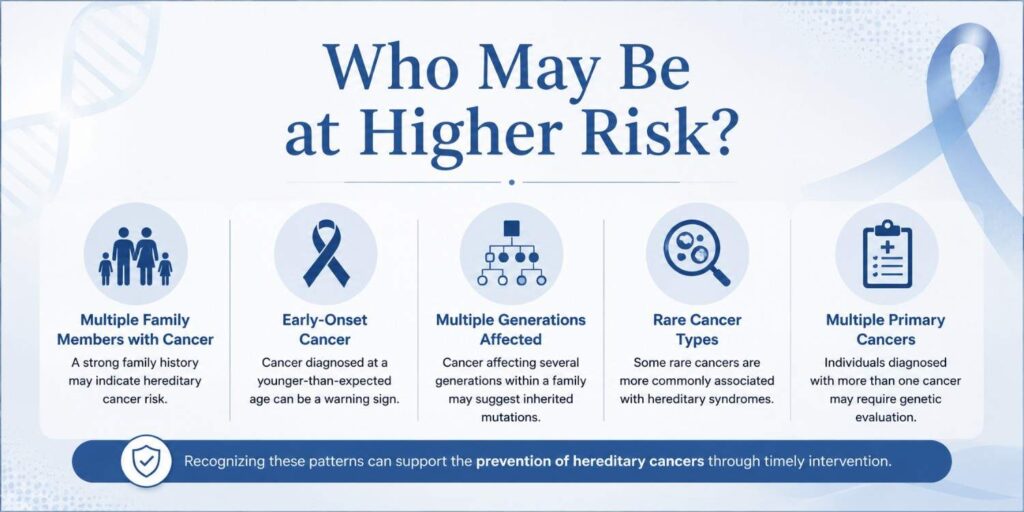
When Should You Consider Genetic Evaluation?
You may benefit from genetic evaluation if you have:
- Multiple relatives diagnosed with cancer
- Family members diagnosed at a young age
- Recurrent cancers within the family
- Known hereditary cancer syndromes in relatives
- Multiple cancers affecting one individual
Early evaluation helps support the prevention of hereditary cancers and may provide valuable information for both patients and family members.
Advances in Hereditary Cancer Prevention
Modern oncology continues to improve the prevention of hereditary cancers through:
- Advanced genetic testing
- Precision medicine
- Personalized screening protocols
- Artificial intelligence-assisted risk assessment
- Improved preventive therapies
- Better family-based risk evaluation
These advances allow healthcare professionals to identify high-risk individuals more accurately and implement effective preventive strategies.
Conclusion
Understanding hereditary cancer risk is an important step toward protecting long-term health. While inherited genetic mutations can increase the likelihood of developing certain cancers, early identification of risk factors allows individuals and families to take proactive measures through genetic counseling, regular screening, lifestyle modifications, and personalized prevention strategies. These preventive approaches can help detect cancer earlier or, in some cases, reduce the likelihood of cancer developing altogether.
The prevention of hereditary cancers is most effective when supported by awareness, timely medical evaluation, and informed healthcare decisions. Individuals with a strong family history of cancer or concerns about inherited cancer risk should consider discussing their situation with a healthcare professional. By recognizing risk factors early and following appropriate preventive measures, it is possible to improve outcomes, support early detection, and promote better health for future generations.
For additional information about hereditary cancer syndromes and genetic cancer risk, visit the National Cancer Institute: National Cancer Institute – Genetics and Cancer Risk.
Frequently Asked Questions

Dr. Bibin Francis
Dr. Bibin Francis is a dedicated medical oncologist with expertise in chemotherapy, immunotherapy, targeted therapy, and personalized cancer treatment planning for a wide range of malignancies.
Jubilee Mission Medical College & Research Institute, Thrissur, Kerala