
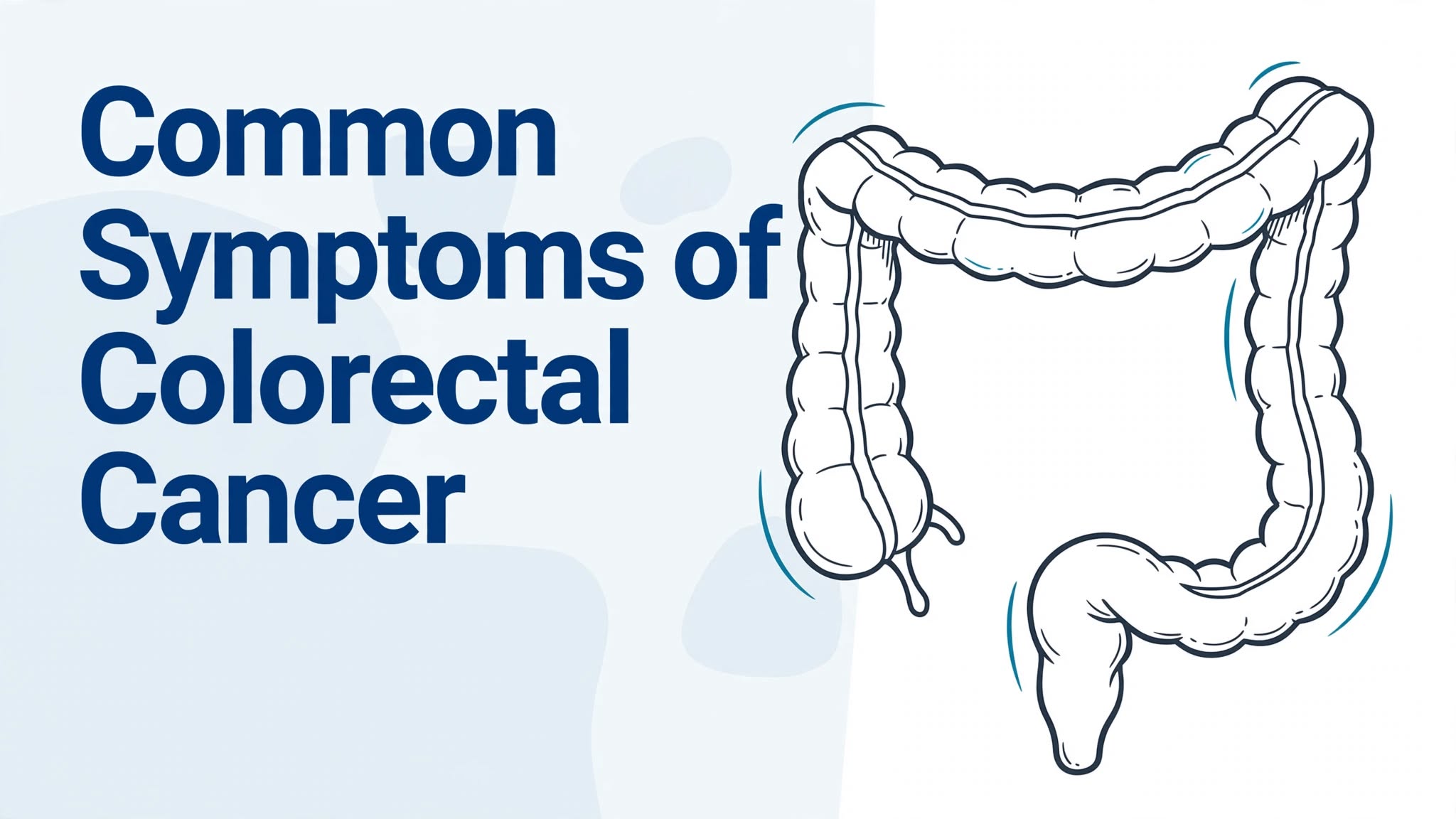
Common Symptoms of Colorectal Cance
Common Symptoms of Colorectal Cancer can include changes in bowel habits, blood in the stool, abdominal discomfort, unexplained weight loss, and persistent fatigue. Colorectal cancer develops in the colon or rectum, which are parts of the large intestine. Symptoms can vary depending on the tumour’s location, its size, and how far the disease has progressed.
Some people experience noticeable changes early, while others may have no obvious symptoms in the initial stages. Because these signs can also occur with conditions such as haemorrhoids, infections, or irritable bowel syndrome, it is important not to assume the cause without a medical assessment. Recognising persistent changes and seeking timely advice can help identify the underlying problem.
What Are the Common Symptoms of Colorectal Cancer?
Colorectal cancer may cause symptoms that affect bowel movements, digestion, appetite, and general wellbeing.
Common symptoms include:
A persistent change in bowel habits, including diarrhoea or constipation
Blood in or on the stool
Rectal bleeding
A feeling that the bowel has not emptied completely
Abdominal cramps, pain, or discomfort
Unexplained weight loss
Persistent tiredness or weakness
Anaemia, particularly iron-deficiency anaemia
Narrower-than-usual stools in some cases
These symptoms do not automatically indicate cancer. However, symptoms that persist, recur, or worsen should be evaluated by a healthcare professional.
1. Changes in Bowel Habits
A persistent change in bowel habits is one possible symptom of colorectal cancer. You may experience diarrhoea, constipation, or alternating periods of both. Your bowel movements may also become more frequent or less frequent than usual.
These changes can occur because a growth in the colon or rectum affects the movement of stool through the bowel. However, infections, medication effects, dietary changes, and other digestive conditions can also cause similar symptoms.
Pay attention to changes that continue for several weeks, particularly if they occur with abdominal discomfort, bleeding, or unexplained weight loss. A healthcare professional can assess whether further testing is needed.
2. Blood in the Stool
Blood in or on the stool is an important warning sign that should not be ignored. It may appear bright red, darker red, or sometimes contribute to black, tar-like stools.
Possible causes include haemorrhoids, anal fissures, intestinal inflammation, polyps, and colorectal cancer. The appearance of blood alone cannot determine the cause.
Even if bleeding is painless or occurs only occasionally, arrange a medical assessment. Do not automatically attribute rectal bleeding to haemorrhoids, especially if it is new, recurrent, or accompanied by changes in bowel habits.
Seek urgent medical attention for heavy bleeding, black tarry stools, faintness, or significant weakness.
3. Persistent Diarrhoea or Constipation
Occasional diarrhoea or constipation is common. However, a persistent change that does not improve or repeatedly returns may require investigation.
Colorectal cancer can sometimes affect how stool passes through the intestine. Other causes include infections, food intolerances, medication effects, and functional bowel disorders.
If a change in bowel movements continues, becomes progressively worse, or occurs with bleeding, abdominal pain, or weight loss, consult a healthcare professional rather than relying solely on dietary changes or over-the-counter medicines.
4. Abdominal Pain, Cramps, or Bloating
Some people with colorectal cancer experience recurring abdominal cramps, discomfort, or bloating. The discomfort may come and go or feel like pressure in the abdomen.
These symptoms are common in many non-cancerous digestive conditions. However, persistent or worsening abdominal pain should be assessed, especially when it occurs with bowel changes or rectal bleeding.
Severe abdominal pain accompanied by vomiting, marked swelling, or an inability to pass stool or gas may indicate a bowel obstruction and requires emergency medical care.
5. A Feeling That the Bowel Has Not Emptied Completely
You may feel the need to pass stool even after using the toilet. This sensation is sometimes called tenesmus and can occur when the rectum is irritated or affected by a growth.
The feeling may be accompanied by frequent urges to use the toilet or discomfort during bowel movements. Several conditions can cause these symptoms, including inflammation and other rectal disorders.
If the sensation persists or develops alongside bleeding or a change in bowel habits, seek medical evaluation.
6. Unexplained Weight Loss
Losing weight without changing your diet or physical activity can be a warning sign of an underlying health problem, including colorectal cancer.
Weight loss may occur because of reduced appetite, changes in digestion, or the effects of illness on the body’s metabolism. It can also result from many other conditions.
If you notice unexplained weight loss, particularly alongside bowel changes, abdominal discomfort, or blood in the stool, arrange a medical assessment. Do not wait for additional symptoms to develop before seeking advice.
7. Persistent Fatigue and Weakness
Colorectal cancer can sometimes cause slow, ongoing bleeding from the digestive tract. Over time, this may lead to iron-deficiency anaemia, which can cause tiredness, weakness, dizziness, pale skin, or shortness of breath during everyday activities.
Fatigue can have many causes, including sleep problems, nutritional deficiencies, and other medical conditions. Persistent or unexplained fatigue should be assessed, especially if blood tests show anaemia or there are accompanying digestive symptoms.
A healthcare professional may recommend blood tests to check for anaemia and determine whether additional investigations are appropriate.
8. Narrower or Unusual Stools
Some people notice that their stools become narrower or change in shape. This may occasionally occur when something affects the passage of stool through the bowel.
However, stool shape can vary naturally and is not a reliable way to diagnose colorectal cancer. A single change is usually less concerning than a persistent change accompanied by other symptoms.
Discuss ongoing changes with a healthcare professional, particularly if they occur with bleeding, abdominal discomfort, or changes in bowel habits.
Can Colorectal Cancer Occur Without Symptoms?
Yes. Colorectal cancer and precancerous polyps may not cause noticeable symptoms, especially in the early stages.
This is one reason why screening is important for people who are eligible under local recommendations. Screening may identify abnormalities before symptoms appear, allowing further evaluation and treatment when appropriate.
Screening is different from diagnostic testing. If you already have symptoms such as rectal bleeding or persistent bowel changes, seek medical advice even if you recently had a screening test.
Who May Have a Higher Risk of Colorectal Cancer?
Colorectal cancer can develop in people without known risk factors. However, several factors can increase risk, including:
Increasing age
A personal history of colorectal polyps or colorectal cancer
A family history of colorectal cancer
Inherited conditions such as Lynch syndrome or familial adenomatous polyposis
Inflammatory bowel diseases, including ulcerative colitis and Crohn’s disease
Smoking
Heavy alcohol consumption
Low physical activity
Certain dietary and metabolic risk factors
Having a risk factor does not mean you will develop colorectal cancer. If you have a strong family history or a known inherited condition, ask a healthcare professional whether earlier or more frequent screening is appropriate.
How Is Colorectal Cancer Diagnosed?
Symptoms alone cannot confirm colorectal cancer. A clinician may recommend several investigations based on your medical history, symptoms, age, and risk factors.
Medical assessment
The clinician may ask about bowel habits, bleeding, pain, weight changes, family history, and how long symptoms have been present. A physical examination may also be appropriate.
Stool tests
Certain stool tests can detect hidden blood or other indicators that may require further investigation. A positive result does not automatically mean cancer, and a negative result does not rule out cancer in someone with concerning symptoms.
Colonoscopy
A colonoscopy allows a specialist to examine the lining of the colon and rectum using a flexible camera. If a polyp or abnormal area is found, it may be removed or sampled for laboratory examination.
Biopsy and imaging
A biopsy involves examining tissue under a microscope to determine whether cancer cells are present. If cancer is confirmed, imaging and additional tests may help establish its extent and guide treatment planning.
The appropriate investigations depend on the individual clinical situation.
When Should You Seek Medical Advice?
Arrange a medical appointment if you experience persistent changes in bowel habits, repeated rectal bleeding, unexplained weight loss, ongoing abdominal discomfort, or unexplained fatigue.
Do not delay assessment because you are young or because symptoms seem mild. Although colorectal cancer is more common with increasing age, it can also occur in younger adults.
Seek urgent medical care for heavy rectal bleeding, black tarry stools with weakness or dizziness, severe abdominal pain, repeated vomiting, or symptoms suggesting a bowel obstruction.
Key Prevention and Risk-Reduction Steps for Colorectal Cancer
Follow recommended colorectal cancer screening guidance.
Stay physically active.
Eat a balanced diet rich in fibre-containing foods, including vegetables, fruits, and whole grains.
Limit processed meat and moderate consumption of red meat.
Avoid smoking.
Limit alcohol consumption.
Discuss family history and inherited risk with a healthcare professional.
These measures do not eliminate the risk of colorectal cancer. Screening and timely assessment of symptoms remain important.
Table of Contents
Frequently Asked Questions
Common symptoms of colorectal cancer may include persistent changes in bowel habits, blood in or on the stool, rectal bleeding, abdominal pain, bloating, unexplained weight loss, and persistent fatigue. Some people have no noticeable symptoms in the early stages. Persistent or worsening symptoms should be assessed by a healthcare professional.
Possible early warning signs include a persistent change in bowel habits, blood in the stool, abdominal discomfort, or feeling that the bowel has not emptied completely. There is no single symptom that appears in every case, and some colorectal cancers cause no early symptoms.
No. Blood in the stool can be caused by haemorrhoids, anal fissures, inflammation, polyps, and other conditions. However, rectal bleeding should not be ignored. Arrange a medical assessment to identify the cause, particularly if bleeding recurs or occurs alongside other symptoms.
Yes. Colorectal cancer can sometimes cause persistent constipation, diarrhoea, or alternating changes in bowel habits. These symptoms can also result from infections, medicines, dietary changes, and other digestive conditions. Seek medical advice if the changes persist or occur with bleeding, pain, or unexplained weight loss.
Colorectal cancer may cause abdominal cramps, discomfort, or bloating. These symptoms are also common in many non-cancerous conditions. Persistent or worsening abdominal symptoms should be assessed, especially if accompanied by changes in bowel habits or blood in the stool. Severe pain with vomiting or inability to pass stool or gas requires emergency medical care.
Yes. Colorectal cancer can sometimes cause unexplained weight loss or persistent fatigue. Slow blood loss may lead to iron-deficiency anaemia, which can cause weakness, dizziness, or shortness of breath. These symptoms have many possible causes and should be evaluated by a healthcare professional.
Yes. Colorectal cancer and precancerous polyps may not cause noticeable symptoms, particularly in the early stages. Screening can help detect abnormalities before symptoms develop. People who already have concerning symptoms should seek medical assessment even if they have recently undergone screening.
Risk factors include increasing age, a personal or family history of colorectal cancer or polyps, inherited conditions such as Lynch syndrome, inflammatory bowel disease, smoking, heavy alcohol consumption, and certain lifestyle factors. People with a strong family history or inherited risk may need an individual screening plan.
Assessment may include a medical history, physical examination, blood tests, stool tests, and colonoscopy. During a colonoscopy, a specialist examines the colon and rectum and may collect tissue for a biopsy. If cancer is confirmed, additional imaging and tests may be used to determine its extent.
Arrange a medical appointment for persistent bowel changes, recurring rectal bleeding, unexplained weight loss, or ongoing abdominal discomfort. Seek urgent care for heavy bleeding, black tarry stools with weakness or dizziness, severe abdominal pain, repeated vomiting, or an inability to pass stool or gas.