
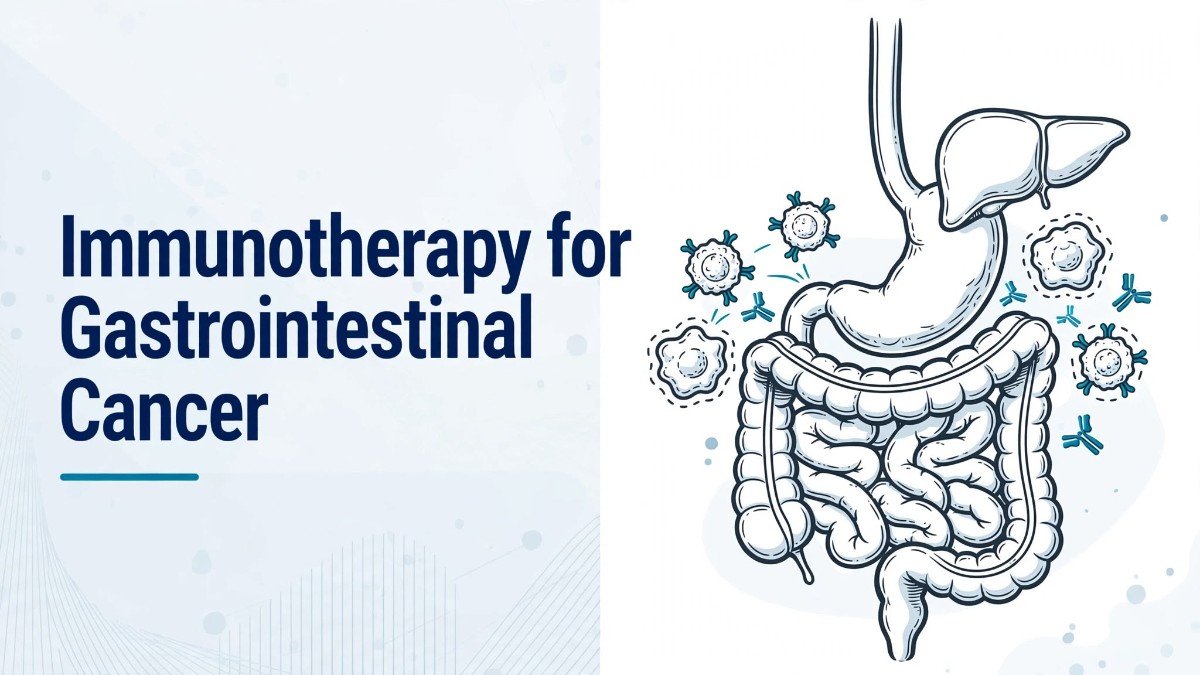
Immunotherapy for Gastrointestinal Cancer
Immunotherapy for gastrointestinal cancer is a treatment approach that helps the body’s immune system recognise and attack cancer cells. It may be an option for selected cancers affecting the stomach, colon, rectum, oesophagus, liver, and other digestive organs. Whether immunotherapy is suitable depends on the cancer type, stage, molecular characteristics, previous treatments, and the patient’s overall health.
Unlike chemotherapy, which directly interferes with cell growth and division, many immunotherapy medicines work by changing how the immune system responds to cancer. These medicines can help certain patients, but they do not work for every gastrointestinal cancer. Biomarker testing and careful medical assessment are often important when deciding whether this treatment is appropriate.
What Is Immunotherapy for Gastrointestinal Cancer?
Immunotherapy uses medicines or other approaches to help the immune system recognise and respond to cancer. The immune system normally identifies and attacks harmful cells, but cancer cells can develop ways to avoid immune detection or reduce the immune response.
Some immunotherapy medicines help remove these barriers. This allows immune cells to recognise cancer cells more effectively and mount an attack against them.
One widely used approach is immune checkpoint inhibition. Checkpoints are natural mechanisms that help prevent the immune system from attacking healthy tissues unnecessarily. Some cancers use these mechanisms to escape immune attack. Checkpoint inhibitor medicines block particular checkpoint proteins, allowing immune cells to respond more effectively in suitable cases.
Immunotherapy may be used alone or alongside chemotherapy or other treatments, depending on the diagnosis and treatment plan. Its role varies significantly among different gastrointestinal cancers.
How Does Immunotherapy Work?
The immune system includes specialised cells that identify and respond to abnormal cells. However, cancer cells may evade this response through several mechanisms.
Immune checkpoint inhibitors target proteins involved in regulating immune activity. Common examples include PD-1, PD-L1, and CTLA-4. Blocking certain checkpoint signals may help immune cells recognise and attack cancer cells.
The effectiveness of immunotherapy depends on factors such as the cancer’s molecular features, immune environment, and previous treatment. Some tumours respond well, while others show little response or develop resistance over time.
Immunotherapy can also cause inflammation in healthy organs because the immune system may become more active than intended. This is why monitoring for immune-related side effects is an essential part of treatment.
Which Gastrointestinal Cancers May Be Treated With Immunotherapy?
Immunotherapy may be considered for selected gastrointestinal cancers. The decision depends on the cancer’s characteristics, stage, biomarker results, and the evidence supporting a particular treatment.
1. Colorectal Cancer
Some colorectal cancers have a biomarker called microsatellite instability-high (MSI-H) or a related finding known as deficient mismatch repair (dMMR). These features can make the cancer more likely to respond to certain immunotherapy medicines.
Testing for MSI-H or dMMR can help guide treatment decisions. Immunotherapy may be an option in specific settings, including selected advanced cancers and certain other clinical situations.
Most colorectal cancers do not have these features. Therefore, immunotherapy is not appropriate for every person with colon or rectal cancer.
2. Stomach Cancer
Immunotherapy may be used for selected stomach cancers, depending on the stage, biomarker results, and treatment setting. Relevant tests may include PD-L1 expression and MSI-H or dMMR status.
In some situations, immunotherapy may be combined with chemotherapy or another treatment. The decision depends on the evidence supporting the combination and the patient’s medical condition.
3. Oesophageal Cancer
Certain oesophageal cancers may be treated with immunotherapy, either alone or in combination with chemotherapy or other treatments. The suitability of treatment depends on the cancer’s type, stage, previous treatment, and relevant biomarkers.
Immunotherapy may be considered in selected advanced cancers or as part of a treatment plan around surgery when supported by clinical evidence.
4. Liver Cancer
Immunotherapy has an important role in treating selected cases of hepatocellular carcinoma, the most common type of primary liver cancer. Some treatment plans use immunotherapy alone or combine it with other medicines.
Liver function, the extent of the cancer, bleeding risk, existing medical conditions, and previous treatment can influence the choice of therapy. Not every patient with liver cancer is suitable for immunotherapy.
5. Biliary Tract Cancer
Biliary tract cancers include cancers of the bile ducts and gallbladder. Immunotherapy may be included in certain treatment regimens, sometimes alongside chemotherapy.
Biomarker testing may also identify particular tumours that could benefit from immunotherapy. The available options depend on the exact cancer diagnosis and treatment setting.
6. Pancreatic Cancer
Immunotherapy has a more limited role in most pancreatic cancers than in some other gastrointestinal cancers. However, a small subset of tumours may have molecular features that make immunotherapy a possible option.
Testing for MSI-H or dMMR and other relevant tumour features may help identify patients who could be considered for specific treatments. Immunotherapy should not be assumed to be suitable for every pancreatic cancer.
What Are the Side Effects of Immunotherapy?
Immunotherapy can cause side effects when the activated immune system affects healthy tissues. These are known as immune-related adverse events. They may occur during treatment and, in some cases, even after treatment has ended.
Possible side effects include:
Fatigue
Tiredness is common during cancer treatment. Severe or persistent fatigue may sometimes be related to inflammation or changes in hormone-producing glands and should be assessed.
Skin Reactions
A rash, itching, or other skin changes may occur. Patients should report widespread, painful, blistering, or rapidly worsening skin symptoms.
Diarrhoea and Bowel Inflammation
Immunotherapy can cause inflammation of the bowel, known as colitis. Persistent diarrhoea, blood in the stool, or significant abdominal pain requires prompt medical assessment.
Liver Inflammation
Some medicines can cause immune-related inflammation of the liver. Blood tests may be used to monitor liver function, and treatment may need to be adjusted if abnormalities occur.
Lung Inflammation
Inflammation of the lungs, called pneumonitis, is an uncommon but potentially serious side effect. New cough, chest discomfort, or shortness of breath should be assessed promptly.
Hormone Gland Problems
Immunotherapy can affect hormone-producing glands, including the thyroid, pituitary, or adrenal glands. Symptoms may include unusual fatigue, dizziness, headaches, or changes in weight and temperature tolerance.
How Is Immunotherapy Different From Chemotherapy?
Both treatments can be used to manage cancer, but they work differently.
| Feature | Immunotherapy | Chemotherapy |
|---|---|---|
| Main mechanism | Helps the immune system recognise or attack cancer | Interferes with cell growth and division |
| Treatment selection | May depend on cancer type and biomarker results | Depends on cancer type, stage, and treatment goals |
| Side effects | Can include immune-related inflammation of healthy organs | Can include nausea, fatigue, reduced blood counts, and digestive effects |
| Treatment response | May vary considerably between patients | Depends on the cancer and the medicines used |
| Combination options | May be combined with chemotherapy or other medicines | May be combined with immunotherapy, targeted therapy, or other treatments in selected cases |
Neither approach is automatically better for every patient. The appropriate treatment depends on the diagnosis, test results, expected benefits, side effects, and available options.
Can Immunotherapy Be Combined With Other Cancer Treatments?
Yes. Immunotherapy may be combined with chemotherapy or other treatments when evidence supports that approach for a particular gastrointestinal cancer.
For some cancers, a combination may improve treatment effectiveness compared with a single medicine. However, combinations can also increase the risk of side effects and require careful monitoring.
The treatment plan may change according to the cancer’s response, side effects, and new clinical findings. Patients should discuss the purpose of each medicine and how the treatment will be monitored.
How Is the Response to Immunotherapy Monitored?
Monitoring helps determine whether the cancer is responding and whether the treatment remains safe. It may include:
Symptom assessment: Reviewing pain, appetite, bowel changes, energy levels, breathing, and other symptoms.
Blood tests: Checking blood counts, liver function, kidney function, and hormone levels when appropriate.
Imaging scans: CT, MRI, or other scans may be used to assess changes in the cancer.
Biomarker-related assessment: Relevant test results may help guide treatment decisions.
Side-effect monitoring: New symptoms are reviewed to identify possible immune-related complications.
Immunotherapy responses can sometimes follow patterns that differ from those seen with other treatments. The oncology team interprets scans and symptoms together before deciding whether to continue, modify, or stop treatment.
Who May Be Eligible for Immunotherapy?
Eligibility depends on the type of gastrointestinal cancer and the clinical situation. Important considerations include:
The exact cancer diagnosis and stage
Biomarker and molecular test results
Previous treatments and the cancer’s response
Existing autoimmune conditions or organ problems
Current medicines and possible interactions
The expected benefits, risks, and availability of treatment
Some patients may not be suitable for immunotherapy because of specific health conditions or the risk of serious complications. Others may benefit from chemotherapy, targeted therapy, surgery, radiotherapy, or a combination instead.
Patients can ask whether biomarker testing is appropriate for their cancer, what the expected benefits are, and which side effects require urgent attention.
Table of Contents
Frequently Asked Questions
Immunotherapy for gastrointestinal cancer is a treatment that helps the immune system recognise and attack cancer cells. Certain medicines, including immune checkpoint inhibitors, can help the immune system respond more effectively to selected cancers of the digestive system. Its suitability depends on the cancer type, stage, and relevant test results.
Immunotherapy may be used for selected cases of colorectal, stomach, oesophageal, liver, and biliary tract cancers. Its role depends on the specific diagnosis, disease stage, tumour biomarkers, previous treatments, and applicable treatment guidelines. It is not suitable for every gastrointestinal cancer.
Some cancer cells avoid immune attack by using signals that suppress immune activity. Immune checkpoint inhibitors block certain signals, such as PD-1 or PD-L1, allowing immune cells to recognise and attack cancer cells more effectively. The response varies from person to person.
Depending on the cancer type, testing may include mismatch repair (MMR) or microsatellite instability (MSI) testing, PD-L1 testing, and other molecular tests. The oncology team may also review scans, biopsy results, blood tests, medical history, and current medicines before recommending treatment.
Possible side effects include tiredness, skin rash, itching, diarrhoea, and changes in thyroid or other hormone function. In some patients, an overactive immune response can affect organs such as the lungs, liver, intestines, or kidneys. New or worsening symptoms should be reported promptly to the oncology team because some reactions can become serious.
Neither treatment is universally better. Chemotherapy acts on rapidly dividing cells, while immunotherapy helps the immune system respond to cancer. The most appropriate option depends on the cancer type, stage, biomarkers, previous treatment, overall health, and expected benefits and risks. Some treatment plans combine both approaches.
Immunotherapy can produce lasting responses in some patients, but it does not cure every gastrointestinal cancer. The potential outcome depends on the cancer's characteristics, stage, response to treatment, and other individual factors. An oncologist can explain the realistic goals of treatment for a particular diagnosis.
Yes. For selected gastrointestinal cancers, immunotherapy may be combined with chemotherapy or other treatments. The recommended combination depends on the cancer type, stage, test results, approved treatment options, and the patient's ability to tolerate treatment.
The duration varies according to the medicine used, cancer type, treatment response, side effects, and treatment plan. Medicines are often given in cycles at scheduled intervals. The oncology team monitors progress and decides whether treatment should continue, change, or stop.
Contact the oncology team promptly about new or worsening symptoms, including persistent diarrhoea, severe abdominal pain, unusual weakness, yellowing of the skin or eyes, or a new cough or breathing difficulty. Severe breathing problems, chest pain, confusion, or other emergency symptoms require urgent medical attention. Do not wait for the next scheduled appointment.