
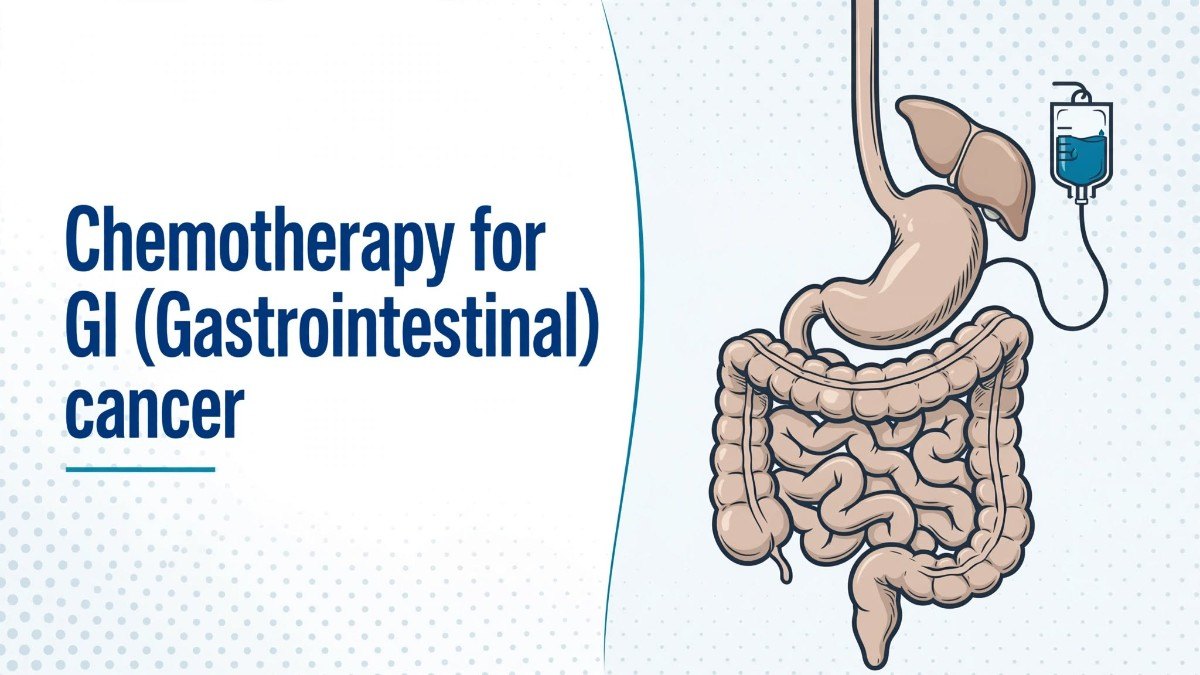
Chemotherapy for GI cancer (Gastrointestinal cancer)
Chemotherapy for GI cancer is a treatment option used for certain cancers affecting the digestive system, including cancers of the stomach, colon, rectum, oesophagus, pancreas, liver, and other gastrointestinal organs. It uses medicines to destroy cancer cells or slow their growth and division. The role of chemotherapy depends on the cancer type, stage, tumour characteristics, and the patient’s overall health.
Chemotherapy may be recommended on its own or alongside surgery, radiotherapy, targeted therapy, or immunotherapy. The treatment approach depends on the type and stage of cancer, the patient’s overall health, and the expected benefits and risks of each option.
What Is Chemotherapy for GI Cancer?
Chemotherapy is a type of cancer treatment that uses medicines to target cancer cells. Many chemotherapy medicines work by interfering with the processes that cancer cells need to grow and multiply.
Gastrointestinal (GI) cancers affect organs involved in digestion, from the oesophagus and stomach to the intestines, pancreas, liver, and rectum. Although these organs belong to the same system, their cancers can behave differently and may require different treatments.
Chemotherapy can be used to:
Shrink a tumour before surgery.
Reduce the risk of cancer returning after surgery.
Treat cancer that has spread to other parts of the body.
Help control cancer growth and related symptoms.
Work with other treatments when a combined approach is appropriate.
Chemotherapy is not necessary for every gastrointestinal cancer. The oncology team evaluates the diagnosis and available evidence before recommending it.
Which Gastrointestinal Cancers May Need Chemotherapy?
Chemotherapy may be considered for several types of GI cancer. Its role varies according to the specific cancer and its stage.
1. Stomach Cancer
Chemotherapy may be recommended before or after surgery for selected stomach cancers. It can also be used as part of treatment for advanced disease. The decision depends on the tumour’s extent, the patient’s fitness, and other clinical findings.
2. Colorectal Cancer
Colon and rectal cancers may require chemotherapy after surgery to lower the risk of recurrence in certain cases. It may also be used before surgery for selected rectal cancers or to treat cancer that has spread.
3. Oesophageal Cancer
For some oesophageal cancers, chemotherapy may be combined with radiotherapy or used around the time of surgery. The treatment plan depends on the cancer’s location, stage, and suitability for different approaches.
4. Pancreatic Cancer
Chemotherapy may be used after surgery, before surgery in selected cases, or as a primary treatment for cancer that cannot be removed surgically or has spread. The choice of medicines depends on the patient’s condition and the characteristics of the cancer.
5. Liver and Biliary Tract Cancers
Treatment for liver and bile duct cancers differs from treatment for many other GI cancers. Depending on the exact diagnosis, chemotherapy or other systemic treatments may be considered. Not every liver cancer is treated with conventional chemotherapy, so accurate diagnosis is particularly important.
How Does Chemotherapy for GI Cancer Work?
Chemotherapy medicines travel through the bloodstream to reach cancer cells in different parts of the body. Depending on the medicine, they may damage the cells’ genetic material or interfere with cell division.
Some healthy cells also divide quickly, which is why chemotherapy can affect areas such as the hair follicles, mouth lining, bone marrow, and digestive tract. These effects contribute to common side effects, although not everyone experiences them in the same way.
Chemotherapy may be given in different ways:
Intravenous chemotherapy: Medicine is administered through a vein, usually in a hospital or oncology treatment unit.
Oral chemotherapy: Certain medicines are taken as tablets or capsules according to a specific schedule.
Combination chemotherapy: Two or more medicines may be used together to target cancer through different mechanisms.
The exact medicines, dose, and schedule depend on the type of cancer and the treatment goal.
What Happens Befor Chemotherapy Begins?
Before starting treatment, the oncology team reviews the patient’s medical history and confirms the diagnosis. This helps determine whether chemotherapy is appropriate and which treatment plan is most suitable.
The assessment may include:
Biopsy results: Tissue examination helps identify the cancer type.
Imaging tests: CT, MRI, ultrasound, or other scans may help determine how far the cancer has spread.
Blood tests: These can assess blood cell counts and organ function before treatment.
Tumour biomarker tests: Depending on the cancer, molecular or biomarker testing may help guide treatment choices.
General health assessment: Existing medical conditions, current medicines, nutrition, and daily functioning may affect treatment decisions.
Patients should tell their oncology team about all medicines and supplements they take, any previous treatment, allergies, and symptoms they are experiencing.
What Happens During a Chemotherapy Session?
The treatment process varies according to the medicines being used. Some chemotherapy regimens are administered over a few hours, while others require different arrangements. Oral chemotherapy follows a prescribed schedule at home, with regular medical monitoring. During an intravenous session, a healthcare professional administers the medicine through a vein or an appropriate access device. Patients may receive additional medicines to help prevent nausea or other treatment-related effects. Chemotherapy is often organised into cycles. A cycle includes a treatment period followed by a planned recovery interval.
The interval gives healthy cells time to recover and allows the oncology team to monitor the patient’s response. Before each treatment, the team may check blood results, symptoms, weight, and other health indicators. Treatment may be delayed, adjusted, or changed if side effects or test results make this necessary. Patients should follow their prescribed treatment instructions and contact the oncology team if they are unsure about a dose or schedule. They should not change or stop chemotherapy medicines without medical advice.
Common Side Effects of Chemotherapy for GI Cancer
Side effects vary according to the medicines, dose, treatment schedule, and individual response. Some patients experience only mild symptoms, while others require additional treatment or adjustments to their chemotherapy plan.
Possible side effects include:
Nausea and Vomiting
Some chemotherapy medicines can cause nausea or vomiting. Preventive medicines and dietary adjustments may help manage these symptoms. Persistent vomiting should be reported because it can lead to dehydration.
Diarrhoea or Constipation
Chemotherapy may affect bowel function. Patients should discuss significant changes in bowel habits with their oncology team, particularly if symptoms are persistent or accompanied by abdominal pain, fever, or dehydration.
Fatigue
Tiredness is common during cancer treatment. It may result from the treatment itself, anaemia, poor sleep, reduced food intake, or the cancer. Gentle activity, rest, and evaluation of treatable causes may help.
Reduced Blood Cell Counts
Some chemotherapy medicines lower white blood cells, red blood cells, or platelets. This can increase infection risk, contribute to fatigue, or make bleeding more likely. Blood tests help the team monitor these changes.
Mouth Sores and Appetite Changes
Mouth irritation, altered taste, and reduced appetite may make eating difficult. Good oral care and advice from the treatment team can help patients manage these problems.
Numbness or Tingling
Certain chemotherapy medicines can affect nerves and cause tingling, numbness, or sensitivity in the hands and feet. Patients should report these symptoms early so the team can assess them.
Not all chemotherapy medicines cause the same side effects. The oncology team can explain the risks associated with the recommended regimen and discuss ways to manage them.
Seek urgent medical advice if a patient receiving chemotherapy develops a fever or signs of serious infection. Follow the oncology team’s specific fever instructions. Severe breathing difficulty, uncontrolled bleeding, confusion, or an inability to keep fluids down also requires urgent assessment.
How Can Patients Prepare for Chemotherapy?
Preparing for chemotherapy can make the treatment period more manageable. Patients should ask their oncology team what to expect from their particular regimen.
Helpful steps include:
Discuss current medicines: Share a complete list of prescription medicines, over-the-counter products, and supplements.
Plan meals and fluids: Follow dietary advice suited to the cancer, symptoms, and treatment plan.
Arrange transport if needed: Fatigue or other side effects may make driving difficult after some treatments.
Maintain oral hygiene: Use the oral-care measures recommended by the healthcare team.
Keep a symptom record: Note nausea, bowel changes, pain, temperature, appetite, and other new symptoms.
Attend scheduled monitoring: Blood tests and follow-up appointments help the team assess safety and response.
Ask for support: Family members or caregivers may help with meals, travel, appointments, and daily tasks.
Patients should check with their oncology team before using herbal products, high-dose vitamins, or other supplements because some may interfere with cancer treatment.
How Is the Response to Chemotherapy Monitored?
The oncology team monitors both the patient’s health and the cancer’s response throughout treatment.
Monitoring may include:
Reviewing symptoms, pain, appetite, weight, and daily functioning.
Checking blood cell counts and organ function.
Performing scans at appropriate intervals.
Assessing tumour markers when they are relevant to the particular cancer.
Reviewing side effects and adjusting supportive medicines.
A scan or blood test alone may not provide the complete picture. The oncologist considers all available findings before deciding whether to continue, adjust, or change treatment.
If the cancer responds well, the planned treatment may continue. If side effects are significant or the cancer does not respond as expected, the team may consider another approach.
Is Chemotherapy Always Needed for GI Cancer?
No. Chemotherapy is one of several possible treatments for gastrointestinal cancer. Some early cancers may be treated primarily with surgery or an endoscopic procedure, while other cancers may require radiotherapy, targeted therapy, immunotherapy, or a combination of treatments.
Treatment decisions depend on the cancer’s location, stage, pathology, molecular features, and the patient’s overall health and preferences. In some situations, biomarker testing may identify options that are more appropriate than conventional chemotherapy or may support a combination approach.
The aim is to select a treatment plan that balances potential benefit, side effects, and the patient’s circumstances. Patients should discuss the purpose of chemotherapy, expected outcomes, alternatives, and likely side effects with their oncologist.
Table of Contents
Frequently Asked Questions
Chemotherapy for gastrointestinal (GI) cancer uses medicines to destroy cancer cells or slow their growth. It may be used to treat cancers affecting the stomach, colon, rectum, oesophagus, pancreas, or other digestive organs, depending on the diagnosis.
Chemotherapy may be recommended for certain stomach, colorectal, oesophageal, pancreatic, and biliary tract cancers. Its role depends on the cancer type, stage, tumour characteristics, and the patient's overall health.
Chemotherapy may be given before surgery to shrink a tumour, after surgery to reduce the risk of recurrence in selected cases, or to control cancer that has spread. The treatment goal varies with the individual diagnosis.
Chemotherapy may be administered through a vein or taken orally as tablets or capsules, depending on the medicines prescribed. Treatment is often organised into cycles with planned recovery periods and regular monitoring.
Possible side effects include nausea, vomiting, diarrhoea, constipation, fatigue, mouth sores, changes in appetite, and reduced blood cell counts. Some medicines may cause numbness or tingling. Side effects depend on the treatment regimen and individual response.
The duration varies according to the cancer type, treatment goal, medicines, and response. Some treatment plans involve several cycles over weeks or months. The oncology team explains the schedule and reviews it throughout treatment.
Yes. Depending on the cancer, chemotherapy may be combined with surgery, radiotherapy, targeted therapy, or immunotherapy. The appropriate combination depends on the diagnosis, tumour features, and expected benefits and risks.
Patients generally need enough fluids, calories, and protein, but suitable foods depend on symptoms and the type of GI cancer. Smaller meals may help with reduced appetite or nausea. Individual dietary advice is useful when diarrhoea, swallowing difficulties, or digestive surgery affects eating.
Monitoring may include symptom reviews, physical assessments, blood tests, and imaging scans at appropriate intervals. Tumour markers may also be used for certain cancers. The results help the oncology team assess response and decide whether the plan needs to change.
Patients should follow their oncology team's urgent-care instructions and seek immediate medical advice for a fever during chemotherapy, signs of infection, uncontrolled bleeding, severe breathing difficulty, confusion, or persistent vomiting that prevents them from keeping fluids down.