
A Complete Guide to Hereditary Cancers and Genetic Cancer Risk
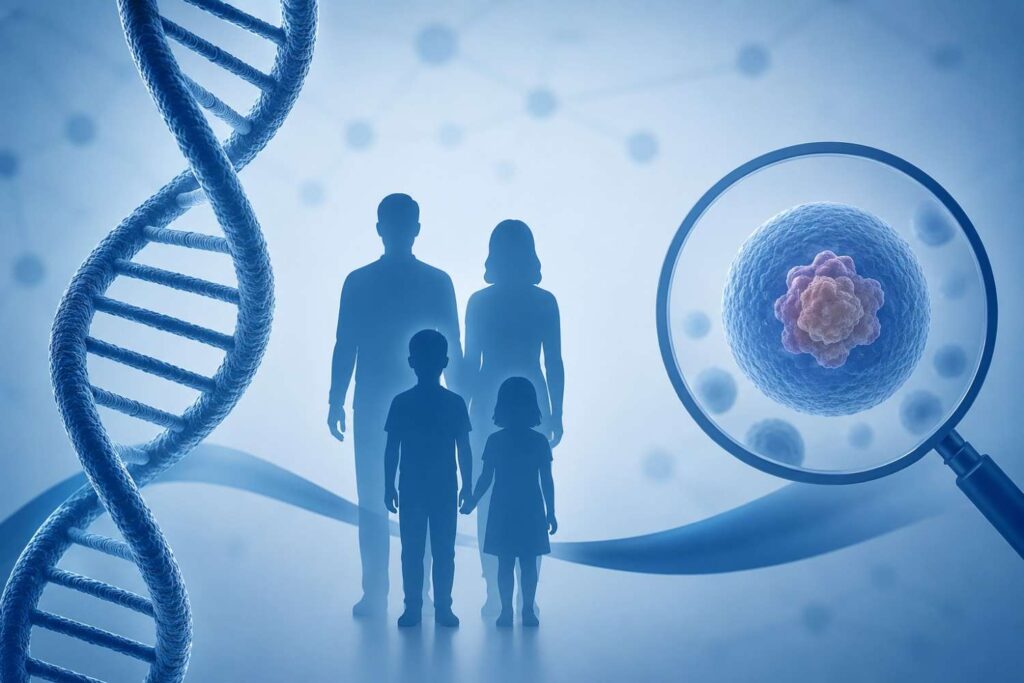
Cancer develops when genetic changes cause cells to grow uncontrollably. While many cancers occur due to environmental factors, aging, or lifestyle influences, some cancers are linked to inherited genetic mutations passed from one generation to another. Understanding what is hereditary cancers is important because it helps individuals identify potential risks, pursue early screening, and make informed healthcare decisions.
Hereditary cancers account for a smaller percentage of all cancer cases, but they often affect multiple family members and may occur at younger ages than non-hereditary cancers. Advances in genetic testing and modern oncology have made it possible to identify individuals at increased risk and implement preventive strategies before cancer develops.
Table of Contents
- What Is Hereditary Cancers?
- How Hereditary Cancers Develop
- Common Types of Hereditary Cancers
- Genetic Mutations Associated with Hereditary Cancer
- Risk Factors for Hereditary Cancers
- Signs That Cancer May Be Hereditary
- Genetic Testing and Screening
- Prevention and Risk Reduction Strategies
- Treatment Approaches for Hereditary Cancers
- Importance of Early Detection
- When to Seek Medical Advice
- Conclusion
- Frequently Asked Questions
1. What Is Hereditary Cancers?
Hereditary cancers are cancers caused by inherited genetic mutations that are passed from parents to their children. These inherited mutations increase the likelihood of developing certain types of cancer during a person’s lifetime.
Unlike sporadic cancers, which occur due to genetic changes acquired over time, hereditary cancers result from genetic alterations already present at birth. Individuals with inherited mutations may have a significantly higher risk of developing specific cancers compared to the general population.
2. How Hereditary Cancers Develop
Genes help regulate cell growth, repair damaged DNA, and control normal cellular functions. When inherited mutations affect these protective genes, the body’s ability to prevent abnormal cell growth may be reduced.
As a result:
- Cells may divide uncontrollably
- DNA damage may accumulate
- Tumors may develop more easily
- Cancer may occur at a younger age
Understanding what is hereditary cancers begins with recognizing how inherited genetic changes influence cancer development.
3. Common Types of Hereditary Cancers
Several cancers are commonly associated with inherited genetic mutations.
These include:
- Breast cancer
- Ovarian cancer
- Colorectal cancer
- Prostate cancer
- Pancreatic cancer
- Stomach cancer
- Melanoma
- Endometrial cancer
- Certain blood cancers
Not every individual with these cancers has an inherited mutation, but family history may indicate an increased hereditary risk.
4. Genetic Mutations Associated with Hereditary Cancer
Certain gene mutations are known to increase cancer risk.
Examples include:
BRCA1 and BRCA2
These genes are associated with increased risks of:
- Breast cancer
- Ovarian cancer
- Pancreatic cancer
- Prostate cancer
Lynch Syndrome Genes
Mutations in mismatch repair genes can increase the risk of:
- Colorectal cancer
- Endometrial cancer
- Ovarian cancer
- Stomach cancer
TP53 Mutation
Associated with Li-Fraumeni syndrome, which increases the risk of multiple cancers at a young age.
These genetic mutations play a major role in understanding what is hereditary cancers and how cancer risk is inherited.
5. Risk Factors for Hereditary Cancers
Certain factors may suggest an inherited cancer syndrome.
Common risk indicators include:
- Multiple family members with cancer
- Cancer diagnosed at a young age
- Individuals with more than one type of cancer
- Rare cancer types within a family
- Cancer affecting both paired organs
- Multiple generations affected by cancer
A strong family history is often one of the most important clues when evaluating what is hereditary cancers.
6. Signs That Cancer May Be Hereditary
Doctors may suspect hereditary cancer when certain patterns are observed.
Potential warning signs include:
- Breast cancer before age 50
- Colon cancer at a young age
- Multiple relatives with the same cancer
- Recurrent cancers in the family
- Ovarian cancer in close relatives
- Male breast cancer
- Multiple cancer diagnoses in one person
Recognizing these patterns can help families pursue timely evaluation and screening.
7. Genetic Testing and Screening
Genetic testing helps identify inherited mutations that increase cancer risk.
The process may include:
- Detailed family history review
- Genetic counseling
- Blood or saliva testing
- Interpretation of genetic results
Benefits of genetic testing include:
- Earlier cancer detection
- Personalized screening plans
- Improved preventive strategies
- Risk assessment for family members
Genetic counseling is often recommended before and after testing to help individuals understand the results.
8. Prevention and Risk Reduction Strategies
For individuals with inherited cancer risk, preventive measures may reduce the likelihood of developing cancer or help detect it early.
Risk reduction strategies include:
- Regular cancer screenings
- Lifestyle modifications
- Smoking cessation
- Healthy diet and exercise
- Maintaining healthy body weight
- Preventive medications in selected cases
- Risk-reducing surgery when appropriate
Understanding what is hereditary cancers allows individuals to take proactive steps toward prevention.
9. Treatment Approaches for Hereditary Cancers
Treatment depends on:
- Cancer type
- Stage of disease
- Genetic mutation involved
- Overall patient health
Treatment options may include:
Chemotherapy
Uses medications to destroy cancer cells and reduce disease progression.
Targeted Therapy
Targets specific genetic abnormalities within cancer cells.
Immunotherapy
Helps the immune system recognize and attack cancer cells more effectively.
Surgery
Removes tumors and affected tissues when appropriate.
Radiation Therapy
Uses high-energy radiation to eliminate cancer cells.
Modern oncology care increasingly uses genetic information to personalize treatment and improve outcomes.
10. Importance of Early Detection
Early detection significantly improves treatment success and survival rates.
Benefits include:
- Earlier diagnosis
- More treatment options
- Better response to therapy
- Reduced treatment complications
- Improved quality of life
Individuals with inherited cancer risk often benefit from more frequent and specialized screening programs.
Awareness of what is hereditary cancers can help families identify risks before symptoms develop.
11. When to Seek Medical Advice
Consider speaking with a healthcare professional if you have:
- Multiple relatives diagnosed with cancer
- Cancer diagnosed at an unusually young age in the family
- Recurrent cancers among close relatives
- Known hereditary cancer syndromes in the family
- Concerns about inherited cancer risk
Early evaluation may help determine whether genetic counseling or testing is appropriate.
12. Conclusion
Understanding what is hereditary cancers is essential for individuals and families who may have an increased risk of cancer due to inherited genetic mutations. While hereditary cancers represent only a portion of all cancer cases, identifying genetic risk factors can lead to earlier detection, better prevention strategies, and more personalized treatment approaches.
Advances in genetic testing, targeted therapy, immunotherapy, and cancer screening have significantly improved the management of hereditary cancer syndromes. Individuals with a strong family history of cancer should consider discussing their risk with a healthcare professional to determine whether genetic counseling or testing may be beneficial.
For additional information about Hereditary Cancer, visit MD Anderson – Hereditary Cancer Syndromes.
Frequently Asked Questions
1. How do hereditary cancers differ from other types of cancer?
Hereditary cancers are caused by inherited genetic mutations passed from parents to children, whereas most cancers develop due to genetic changes that occur during a person’s lifetime because of aging, environmental factors, or lifestyle influences.
2. What percentage of cancers are hereditary?
Approximately 5% to 10% of cancers are believed to result from inherited genetic mutations.
3. How do hereditary cancers differ from other cancers?
Hereditary cancers are linked to inherited gene mutations, while most cancers develop from acquired genetic changes over time.
4. Which cancers are commonly hereditary?
Breast, ovarian, colorectal, prostate, pancreatic, and certain blood cancers are commonly associated with inherited mutations.
5. What are BRCA genes?
BRCA1 and BRCA2 are genes that help repair DNA damage. Mutations in these genes increase the risk of several cancers.
6. Who should consider genetic testing?
Individuals with a strong family history of cancer or relatives diagnosed at a young age may benefit from genetic testing.
7. Can hereditary cancers be prevented?
While not always preventable, early screening and risk-reduction strategies can significantly lower the risk or detect cancer early.
8. Does having a hereditary mutation mean I will definitely get cancer?
No. An inherited mutation increases risk but does not guarantee that cancer will develop.
9. Can hereditary cancers be treated successfully?
Yes. Early diagnosis and personalized treatment approaches often improve outcomes.
10. Why is understanding hereditary cancers important?
Understanding what is hereditary cancers helps individuals identify risks, pursue screening, and make informed decisions about prevention and treatment.

Dr. Bibin Francis
Dr. Bibin Francis is a dedicated medical oncologist with expertise in chemotherapy, immunotherapy, targeted therapy, and personalized cancer treatment planning for a wide range of malignancies.
Jubilee Mission Medical College & Research Institute, Thrissur, Kerala