
Understanding the Stages of Breast Cancer
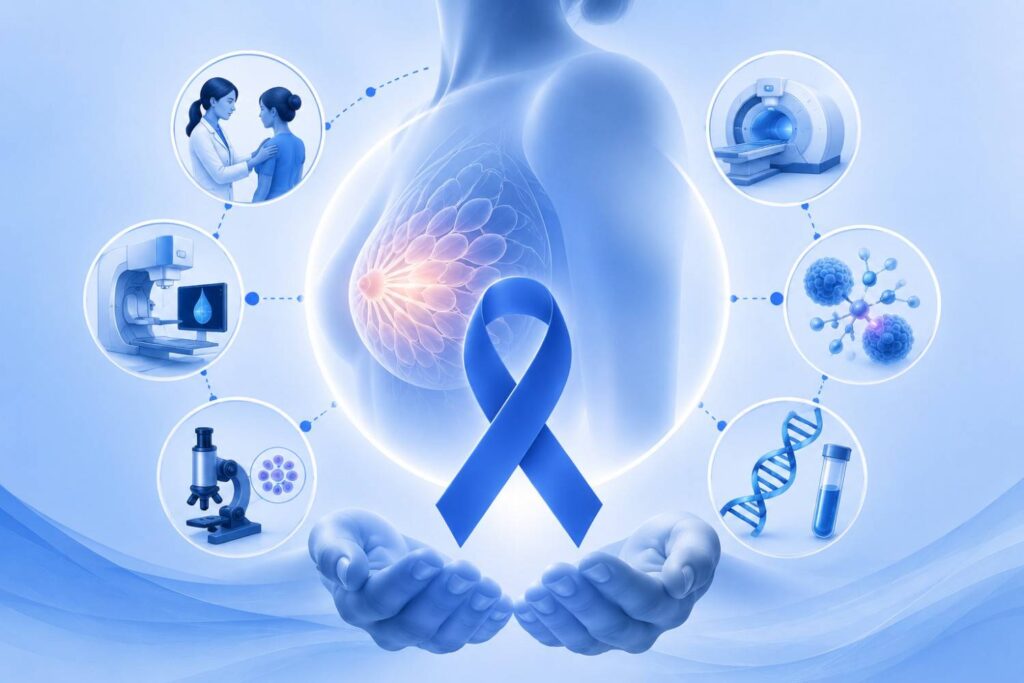
Breast cancer is one of the most common cancers affecting women worldwide. It develops when abnormal cells in the breast grow uncontrollably and may spread to nearby tissues or distant parts of the body if left untreated.
Understanding the stages of breast cancer is essential because the stage helps determine the extent of the disease, the most appropriate treatment approach, and the expected outcomes. Early diagnosis and timely intervention can significantly improve treatment success and quality of life.
Table of Contents
- What Are the Stages of Breast Cancer?
- Stage 0 Breast Cancer
- Stage I Breast Cancer
- Stage II Breast Cancer
- Stage III Breast Cancer
- Stage IV Breast Cancer
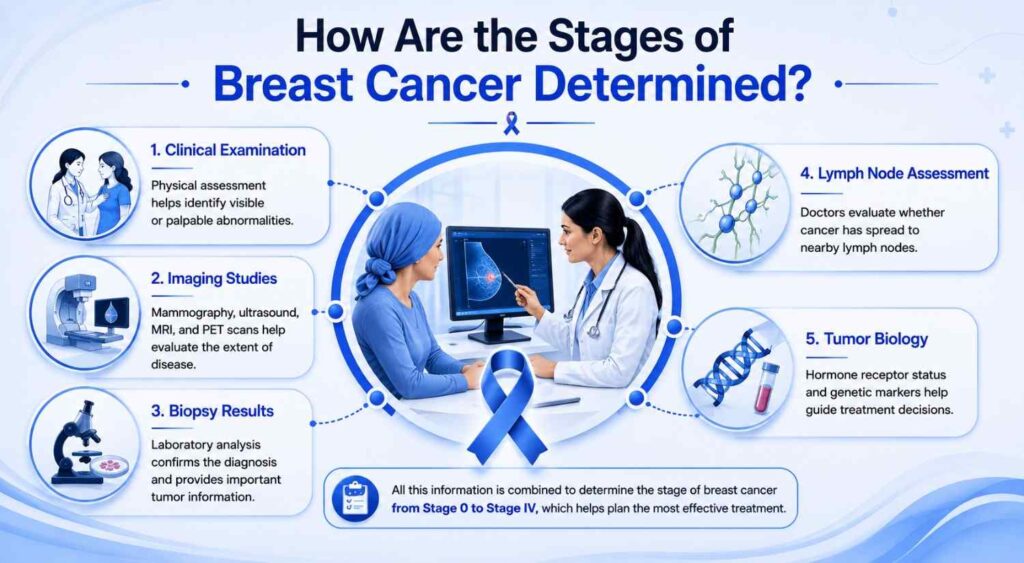
- How Are the Stages of Breast Cancer Determined?
- Treatment Options for Breast Cancer
- How Long Breast Cancer Treatment Takes
- Why Early Detection Matters
- Consult Dr. Bibin Francis
- Conclusion
- Frequently Asked Questions
What Are the Stages of Breast Cancer?
The stages of breast cancer describe how far the cancer has grown and whether it has spread beyond the breast tissue.
Doctors use staging systems to evaluate:
- Tumor size
- Lymph node involvement
- Extent of cancer spread
- Biological characteristics of the tumor
- Overall disease progression
Accurate staging helps guide treatment planning and predict outcomes.
Stage 0 Breast Cancer
Stage 0 breast cancer is considered a non-invasive form of cancer where abnormal cells remain confined to the milk ducts and have not spread into surrounding breast tissue.
Characteristics may include:
- Localized abnormal cells
- No invasion of nearby tissue
- High treatment success rates
- Early-stage diagnosis
Stage I Breast Cancer
Stage I breast cancer is an early invasive stage where cancer has begun spreading beyond its original location but remains limited.
Common features include:
- Small tumor size
- Minimal lymph node involvement
- High chance of successful treatment
- Favorable prognosis
Stage II Breast Cancer
Stage II breast cancer generally indicates a larger tumor or limited spread to nearby lymph nodes.
Doctors may evaluate:
- Tumor growth
- Nearby lymph node involvement
- Need for combined treatments
- Risk of disease progression
Stage III Breast Cancer
Stage III breast cancer is considered locally advanced and often requires a more comprehensive treatment approach.
Possible findings include:
- Extensive lymph node involvement
- Larger tumors
- Spread to nearby tissues
- Increased treatment complexity
Stage IV Breast Cancer
Stage IV breast cancer occurs when cancer spreads to distant organs such as the bones, liver, lungs, or brain.
Management may focus on:
- Disease control
- Symptom management
- Improving quality of life
- Long-term treatment planning
Treatment Options for Breast Cancer
The stage of breast cancer plays a major role in determining the most appropriate treatment strategy.
Common treatment options for breast cancer may include:
- Surgery
- Chemotherapy
- Radiation therapy
- Hormone therapy
- Targeted therapy
- Immunotherapy
Know more about Treatnent Options for Breast Cancer.
How Long Breast Cancer Treatment Takes
One of the most common questions patients ask is how long breast cancer treatment takes.
Treatment duration can vary depending on:
- Stage of breast cancer
- Type of treatment required
- Response to treatment
- Overall health condition
- Long-term therapy requirements
Some treatments may be completed within a few months, while others, such as hormone therapy, may continue for several years.
Know more about how long does Breast Cancer Treatment takes.
Why Early Detection Matters
Early detection remains one of the most important factors in improving breast cancer outcomes.
Benefits of early diagnosis include:
- Earlier treatment initiation
- More treatment options
- Reduced treatment complexity
- Improved survival rates
- Better quality of life
Regular screening and prompt medical evaluation of breast symptoms can help identify cancer at an earlier stage.
Conclusion
Understanding the stages of breast cancer is essential for making informed treatment decisions and improving outcomes. From Stage 0 to Stage IV, each stage requires a tailored approach based on the extent of the disease and individual patient factors. With modern diagnostic techniques, advanced therapies, and personalized care, many patients can achieve effective disease control and maintain a good quality of life throughout their treatment journey.
For additional information about breast cancer diagnosis and treatment, please visit the World Health Organization (WHO) Breast Cancer Information Page.
Frequently Asked Questions
What are the stages of breast cancer?
Breast cancer is typically classified from Stage 0 to Stage IV based on tumor size, lymph node involvement, and whether the cancer has spread to other parts of the body.
How do doctors determine the stage of breast cancer?
Doctors use physical examinations, imaging tests, biopsies, lymph node evaluation, and laboratory analysis to determine the stage of breast cancer and plan treatment.
Why is identifying the stage of breast cancer important?
The stage helps doctors choose the most appropriate treatment plan, estimate prognosis, and determine the extent of care required.
What treatment options are available for breast cancer?
Treatment options may include surgery, chemotherapy, radiation therapy, hormone therapy, targeted therapy, and immunotherapy depending on the cancer stage and tumor characteristics.
How long does breast cancer treatment take?
Treatment duration varies depending on the stage of cancer, the therapies required, the patient’s overall health, and response to treatment.
Can early-stage breast cancer be treated successfully?
Many early-stage breast cancers have a high treatment success rate when diagnosed early and managed with appropriate medical care.
Does every stage of breast cancer require chemotherapy?
No. The need for chemotherapy depends on the stage, tumor biology, hormone receptor status, and overall treatment strategy.
Can targeted therapy be used for breast cancer treatment?
Yes. Targeted therapy may be recommended for specific types of breast cancer, such as HER2-positive breast cancer, based on tumor characteristics.
Is immunotherapy used in breast cancer treatment?
Immunotherapy may be used for selected breast cancer patients, particularly certain advanced or specific breast cancer subtypes.
Where can I consult a specialist for breast cancer treatment in Kerala?
Patients can consult Dr. Bibin Francis, Medical Oncologist at Jubilee Mission Medical College & Research Institute, Thrissur, for personalized breast cancer evaluation, staging, treatment planning, chemotherapy, targeted therapy, immunotherapy, and supportive cancer care.

Dr. Bibin Francis
Dr. Bibin Francis is a dedicated medical oncologist with expertise in chemotherapy, immunotherapy, targeted therapy, and personalized cancer treatment planning for a wide range of malignancies.
Jubilee Mission Medical College & Research Institute, Thrissur, Kerala