
Gastrointestinal Cancer Treatment Preparation in Thrissur
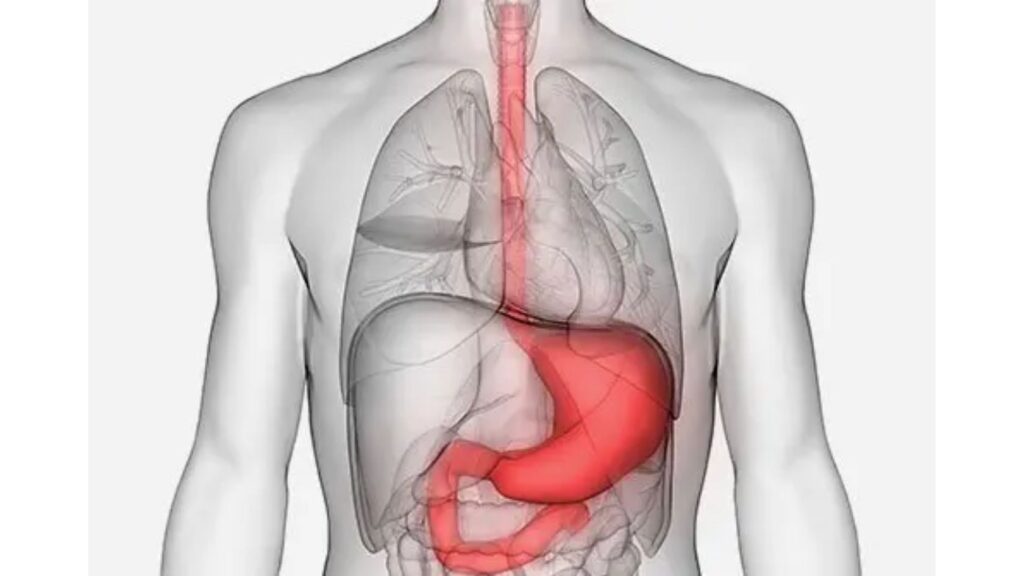
Preparing for gastrointestinal cancer treatment is a crucial step that can significantly impact the effectiveness of therapy and overall recovery. Patients diagnosed with cancers affecting the digestive system—such as the stomach, colon, liver, pancreas, or esophagus—require careful planning before starting treatment. In Thrissur, healthcare facilities follow a structured and patient-focused approach to ensure individuals are physically and mentally ready for procedures like surgery, chemotherapy, radiation therapy, or targeted treatments.
Understanding the Importance of Preparation
Preparation is not just about getting ready for a medical procedure; it involves optimizing the patient’s overall health, reducing potential risks, and improving treatment outcomes. Proper preparation helps:
- Enhance the body’s ability to tolerate treatment
- Minimize complications during and after procedures
- Improve recovery time
- Support mental well-being
A well-prepared patient is more likely to respond positively to treatment and experience fewer side effects.
Initial Medical Evaluation
Before beginning gastrointestinal cancer treatment, a thorough medical evaluation is conducted. This includes:
- Detailed medical history review
- Physical examination
- Blood tests and imaging scans
- Endoscopy or biopsy (if required)
These assessments help doctors understand the stage and type of cancer, enabling them to create a personalized treatment plan.
Nutritional Preparation
Nutrition plays a vital role in cancer treatment preparation. Since gastrointestinal cancers directly affect digestion, maintaining proper nutrition is essential.
Key Nutritional Guidelines:
- Eat a balanced diet rich in proteins, vitamins, and minerals
- Include easily digestible foods
- Stay hydrated
- Avoid processed and high-fat foods
In some cases, a nutritionist may recommend special diets or supplements to strengthen the body before treatment.
Medication and Medical Instructions
Patients are often advised to follow specific medical instructions before starting treatment:
- Stop certain medications (like blood thinners) if recommended
- Inform the doctor about ongoing medications or allergies
- Follow prescribed pre-treatment medications
Adhering to these instructions helps prevent complications during treatment.
Lifestyle Adjustments
Making healthy lifestyle changes before treatment can improve overall outcomes.
Recommended Changes:
- Quit smoking and alcohol consumption
- Engage in light physical activity
- Maintain proper sleep patterns
- Manage stress through relaxation techniques
These changes help strengthen the immune system and improve recovery potential.
Psychological and Emotional Preparation
A cancer diagnosis can be emotionally challenging. Preparing mentally is just as important as physical preparation.
Support Strategies:
- Counseling or therapy sessions
- Support from family and friends
- Joining cancer support groups
- Practicing mindfulness or meditation
Emotional readiness helps patients cope better with treatment and its side effects.
Pre-Surgical Preparation (If Surgery is Planned)
For patients undergoing surgery, additional preparation steps may include:
- Fasting for a specific period before surgery
- Pre-operative tests and clearances
- Instructions on hygiene and hospital admission
- Arranging post-surgery care at home
Following these steps ensures a safer surgical experience.
Preparing for Chemotherapy or Radiation Therapy
If the treatment plan includes chemotherapy or radiation therapy, preparation may involve:
- Baseline blood tests
- Understanding treatment schedules
- Learning about possible side effects
- Planning for transportation and support during sessions
Patients are also guided on managing side effects like fatigue, nausea, or appetite loss.
Importance of Follow-Up Planning
Preparation also includes planning for post-treatment care:
- Scheduling follow-up visits
- Monitoring side effects
- Maintaining a healthy lifestyle
- Adhering to medication and dietary advice
Regular follow-ups help track progress and detect any complications early.
Tips for Patients and Caregivers
- Keep all medical records organized
- Ask questions and clarify doubts with doctors
- Follow instructions strictly
- Stay positive and proactive
- Ensure a strong support system
Caregivers also play a vital role in assisting patients throughout the preparation and treatment process.
Choosing the Right Healthcare Facility
Selecting a well-equipped hospital in Thrissur is an important part of preparation. Look for:
- Experienced oncologists and specialists
- Advanced diagnostic and treatment facilities
- Multidisciplinary care teams
- Good patient support services
The right facility ensures quality care and better treatment outcomes.
Conclusion
Gastrointestinal cancer treatment preparation in Thrissur involves a comprehensive approach that includes medical evaluation, nutritional support, lifestyle changes, and emotional readiness. Proper preparation not only improves treatment success but also enhances the patient’s overall well-being. By following medical advice and maintaining a positive mindset, patients can face their treatment journey with confidence and strength.
Table of Contents
Gastrointestinal Cancer
Treatment options for digestive system cancers using surgery, chemotherapy, radiation, or targeted therapy. Learn more
Cost
Varies based on cancer type, stage, treatment method, and hospital facilities. Learn more
Consultation
Specialist evaluation to diagnose cancer and plan appropriate treatment. Learn more
Risks
Possible side effects such as infection, fatigue, nausea, or surgical complications. Learn more
Frequently Asked Questions
1. What is gastrointestinal cancer treatment preparation?
Preparation involves medical tests, diet planning, and lifestyle adjustments before starting cancer treatment.
2. Why is preparation important before treatment?
It helps reduce complications, improves recovery, and ensures better treatment outcomes.
3. What tests are done before starting treatment?
Blood tests, imaging scans, endoscopy, and biopsy may be required.
4. Should I follow a special diet before treatment?
Yes, a balanced and easily digestible diet is recommended to strengthen the body.
5. Can I continue my regular medications?
Some medications may need to be stopped; always consult your doctor.
6. Is fasting required before treatment?
Fasting is usually required before surgery, based on doctor instructions.
7. How can I prepare mentally for cancer treatment?
Counseling, meditation, and support from family can help improve mental readiness.
8. Should I stop smoking or alcohol before treatment?
Yes, avoiding smoking and alcohol improves treatment success and recovery.
9. How long does preparation take?
It depends on the treatment plan, but usually ranges from a few days to weeks.
10. Do I need someone to assist me during treatment?
Yes, having a caregiver or support person is highly recommended.

Dr. Bibin Francis
Dr. Bibin Francis is a dedicated medical oncologist with expertise in chemotherapy, immunotherapy, targeted therapy, and personalized cancer treatment planning for a wide range of malignancies.
Jubilee Mission Medical College & Research Institute, Thrissur, Kerala