
Blood Cancer Treatment in Thrissur is an important topic for individuals seeking effective care for cancers affecting the blood and bone marrow. With advancements in medical science, patients today have access to structured diagnosis, modern therapies, and personalized treatment plans in Thrissur.
Blood cancer includes conditions like leukemia, lymphoma, and myeloma. Understanding these conditions and available treatment options helps patients make informed decisions and begin timely care.
Table of Contents
- What Is Blood Cancer?
- Types of Blood Cancer
- Causes of Blood Cancer
- Symptoms of Blood Cancer
- Diagnosis and Evaluation
- Blood Cancer Treatment in Thrissur
- Benefits of Advanced Treatment
- Tips for Patients During Treatment
- Follow-Up and Long-Term Care
- Conclusion
1. What Is Blood Cancer?
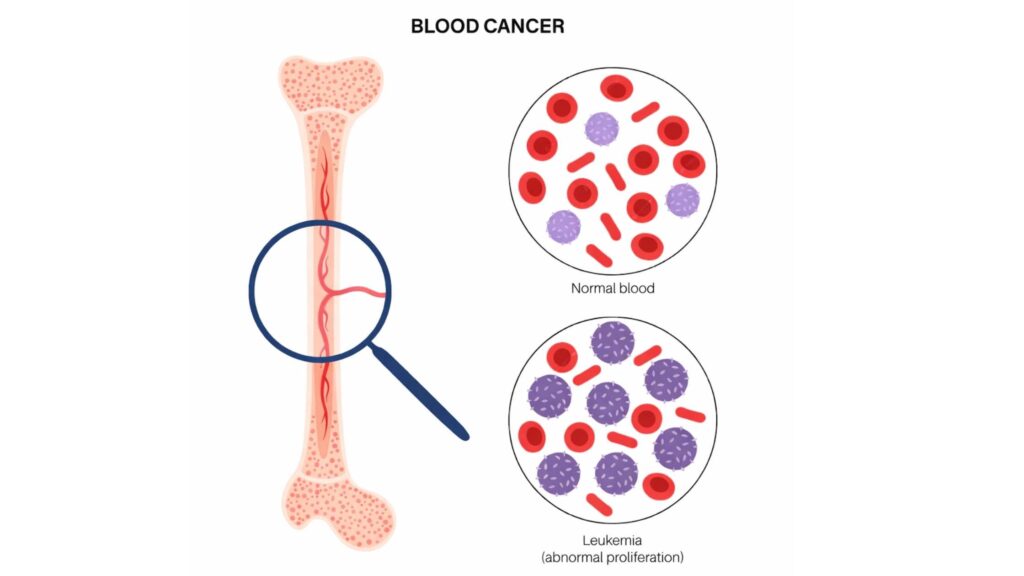
Blood cancer affects the normal production and function of blood cells. It usually begins in the bone marrow, where abnormal cells grow and interfere with healthy cells.
These cancers impact:
- Red blood cells
- White blood cells
- Platelets
Early Blood Cancer Treatment in Thrissur helps in controlling the disease effectively and improving outcomes.
2. Types of Blood Cancer
Leukemia
Affects blood and bone marrow, causing abnormal white blood cell production.
Lymphoma
Develops in the lymphatic system, impacting immunity.
Multiple Myeloma
Affects plasma cells and weakens the immune system.
Each condition requires a specialized approach under Blood Cancer Treatment in Thrissur.
3. Causes of Blood Cancer
The exact cause is often unclear, but common risk factors include:
- Genetic mutations
- Radiation exposure
- Chemical exposure
- Weak immune system
- Family history
Identifying risk factors can support early detection and timely Blood Cancer Treatment in Thrissur.
4. Symptoms of Blood Cancer
Recognizing symptoms early is essential:
- Fatigue and weakness
- Frequent infections
- Unexplained weight loss
- Easy bruising or bleeding
- Bone pain
- Swollen lymph nodes
Early recognition supports faster Blood Cancer Treatment in Thrissur.
5. Diagnosis and Evaluation
Diagnosis plays a key role before starting treatment. It may include:
- Blood tests
- Bone marrow biopsy
- Imaging scans
- Lymph node examination
These tests confirm the type and stage of cancer and guide Blood Cancer Treatment in Thrissur.
6. Blood Cancer Treatment in Thrissur
Blood Cancer Treatment in Thrissur involves multiple advanced options based on patient condition:
Chemotherapy
Destroys cancer cells using medications.
Radiation Therapy
Targets specific cancer areas.
Immunotherapy
Strengthens the immune system to fight cancer.
Targeted Therapy
Focuses on specific cancer cell abnormalities.
Stem Cell Transplant
Replaces damaged bone marrow with healthy cells.
These therapies are often combined for better results in Blood Cancer Treatment in Thrissur.
7. Benefits of Advanced Treatment
Modern Blood Cancer Treatment in Thrissur provides:
- Better survival rates
- Reduced side effects
- Personalized treatment plans
- Improved quality of life
- More precise therapies
Advancements have made cancer care more effective and patient-focused.
8. Tips for Patients During Treatment
Patients can support their recovery by:
- Eating a balanced diet
- Staying hydrated
- Following treatment schedules
- Maintaining hygiene
- Attending follow-ups
- Seeking emotional support
These steps enhance the effectiveness of Blood Cancer Treatment in Thrissur.
9. Follow-Up and Long-Term Care
After treatment, ongoing care is essential:
- Monitoring recovery
- Detecting recurrence early
- Managing side effects
- Adjusting treatment if needed
Regular follow-ups are a vital part of Blood Cancer Treatment in Thrissur.
10. Conclusion
Blood cancer is a serious yet manageable condition when identified early and treated with the right approach. Modern advancements have made Blood Cancer Treatment in Thrissur more structured, effective, and patient-focused, allowing individuals to receive personalized care based on their specific diagnosis and overall health.
From accurate diagnosis to advanced therapies such as chemotherapy, immunotherapy, and stem cell transplant, every stage of treatment plays a vital role in improving outcomes. Equally important are follow-up care, lifestyle management, and emotional support, which together contribute to better recovery and quality of life.
Patients and families should always stay informed, ask questions, and actively participate in treatment planning. Early intervention, combined with the right medical guidance, can significantly improve survival and long-term health.For additional trusted information about blood cancer, its types, and global treatment guidelines, you can visit American Cancer Society.With proper awareness, timely care, and consistent monitoring, individuals undergoing Blood Cancer Treatment in Thrissur can approach their journey with confidence, clarity, and hope.
Frequently Asked Questions
1. What is Blood Cancer Treatment in Thrissur?
2. What are the main types of blood cancer?
3. What symptoms indicate the need for treatment?
4. How is blood cancer diagnosed?
5. What treatments are available for blood cancer?
6. Is blood cancer treatment effective?
7. How long does treatment usually take?
8. Are there side effects during treatment?
9. Is follow-up necessary after treatment?
10. Can lifestyle changes help during treatment?

Dr. Bibin Francis
Dr. Bibin Francis is a dedicated medical oncologist with expertise in chemotherapy, immunotherapy, targeted therapy, and personalized cancer treatment planning for a wide range of malignancies.
Jubilee Mission Medical College & Research Institute, Thrissur, Kerala