
Understanding Life with an Inherited Cancer Risk: A Simple Guide for Families
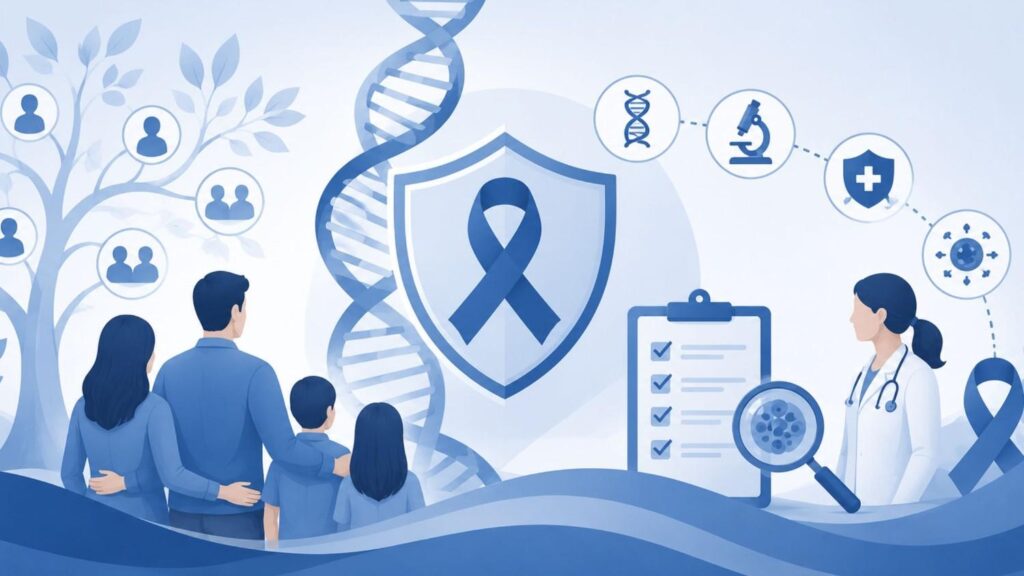
Learning that you may have an inherited risk of cancer can feel overwhelming. Many people become aware of their risk after a family member is diagnosed with cancer or through genetic testing and family history assessments. Understanding Living with a Hereditary Cancer Risk is important because it helps individuals take proactive steps toward monitoring their health, pursuing appropriate screening, and making informed healthcare decisions.
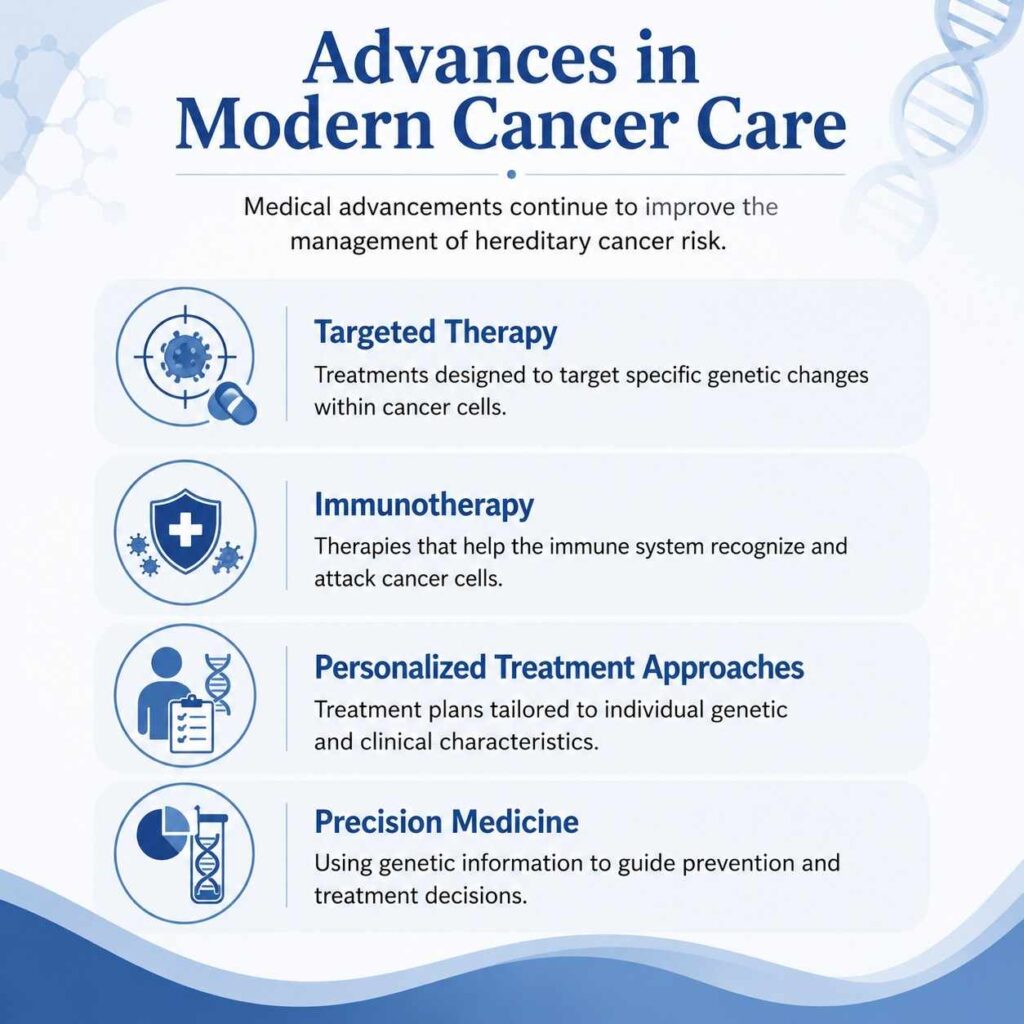
Although inherited genetic mutations can increase the risk of developing certain cancers, they do not guarantee that cancer will occur. Advances in genetic counseling, early detection programs, personalized treatment approaches, and modern oncology have made it possible for many individuals to manage their risk effectively. This guide explores how hereditary cancer risk affects families and the practical steps that can help support long-term health and wellbeing.
What Does Inherited Cancer Risk Mean?
Inherited cancer risk refers to an increased likelihood of developing certain cancers due to genetic mutations passed from parents to their children.
Genes play an important role in controlling how cells grow, repair damage, and function normally. When specific inherited mutations affect these protective genes, the body’s ability to prevent abnormal cell growth may be reduced.
Unlike most cancers that develop due to aging, environmental exposures, or lifestyle factors, hereditary cancers are linked to genetic changes that are present from birth.
How Inherited Cancer Risk Is Passed Through Families
Inherited genetic mutations can be passed from one generation to the next.
When a parent carries a cancer-related genetic mutation, there may be a possibility of passing that mutation to their children. Not everyone who inherits a mutation will develop cancer, but the risk may be higher compared to the general population.
This is why family history is often one of the most important clues when evaluating hereditary cancer risk.
Common Hereditary Cancer Syndromes
Several inherited genetic conditions are associated with increased cancer risk.
BRCA1 and BRCA2 Mutations
These mutations are commonly associated with increased risks of:
- Breast cancer
- Ovarian cancer
- Prostate cancer
- Pancreatic cancer
Lynch Syndrome
Lynch syndrome is linked to a higher risk of:
- Colorectal cancer
- Endometrial cancer
- Ovarian cancer
- Stomach cancer
Li-Fraumeni Syndrome
This inherited condition is associated with mutations in the TP53 gene and may increase the risk of multiple cancer types.
Understanding which mutation is involved can help guide appropriate screening and prevention strategies.
The Emotional Side of Living with Cancer Risk
Living with inherited cancer risk involves more than medical considerations.
Many individuals experience:
Anxiety About the Future
Concerns about developing cancer can create uncertainty.
Worry About Loved Ones
People often think about the potential impact on children, siblings, and relatives.
Fear of Screening or Testing
Medical evaluations and genetic testing may feel intimidating.
Difficult Decisions
Some individuals may need to make decisions regarding screening schedules or preventive measures.
The Role of Genetic Counseling
Genetic counseling helps individuals understand their inherited cancer risk and available options.
A counselor may assist with:
- Reviewing family history
- Explaining hereditary cancer syndromes
- Discussing genetic testing options
- Interpreting test results
- Planning future screening strategies
Genetic counseling often provides valuable information that supports informed decision-making.
Understanding Genetic Testing
Genetic testing can help identify inherited mutations associated with increased cancer risk.
The process may involve:
Family History Assessment
Healthcare professionals evaluate cancer patterns within the family.
Sample Collection
Testing is often performed using blood or saliva samples.
Laboratory Analysis
Specialized laboratories analyze genetic material for specific mutations.
Results Review
Healthcare providers explain the results and discuss next steps.
Testing may provide important information for both individuals and family members.
Steps to Manage Hereditary Cancer Risk
While inherited genetic factors cannot be changed, there are several ways to manage cancer risk proactively.
Regular Screening
Screening programs may help detect cancer at earlier stages.
Examples include:
- Mammograms
- Colonoscopies
- Imaging studies
- Blood tests
- Specialized surveillance programs
Healthy Lifestyle Choices
Healthy habits support overall wellbeing.
These include:
- Maintaining a balanced diet
- Exercising regularly
- Avoiding tobacco products
- Limiting alcohol consumption
- Maintaining a healthy weight
Following Medical Advice
Regular follow-up appointments and adherence to screening recommendations are important.
Why Early Detection Matters
Early detection plays a critical role for individuals with inherited cancer risk.
Potential benefits include:
Earlier Diagnosis
Cancer may be detected before symptoms appear.
More Treatment Options
Early-stage cancers often allow for a wider range of treatment choices.
Better Outcomes
Timely treatment may improve long-term results.
Improved Quality of Life
Early intervention may reduce complications and treatment burden.
Staying informed and proactive can make a meaningful difference.
Talking to Family Members About Cancer Risk
Discussing hereditary cancer risk with relatives can be an important step.
Topics may include:
Family Health History
Sharing accurate information helps relatives understand potential risks.
Genetic Testing Results
When appropriate, test results may help family members make informed healthcare decisions.
Screening Recommendations
Family members may benefit from discussing screening options with healthcare professionals.
Open communication can support informed decision-making across generations.
When Should You Seek Medical Advice?
Consider speaking with a healthcare professional if you have:
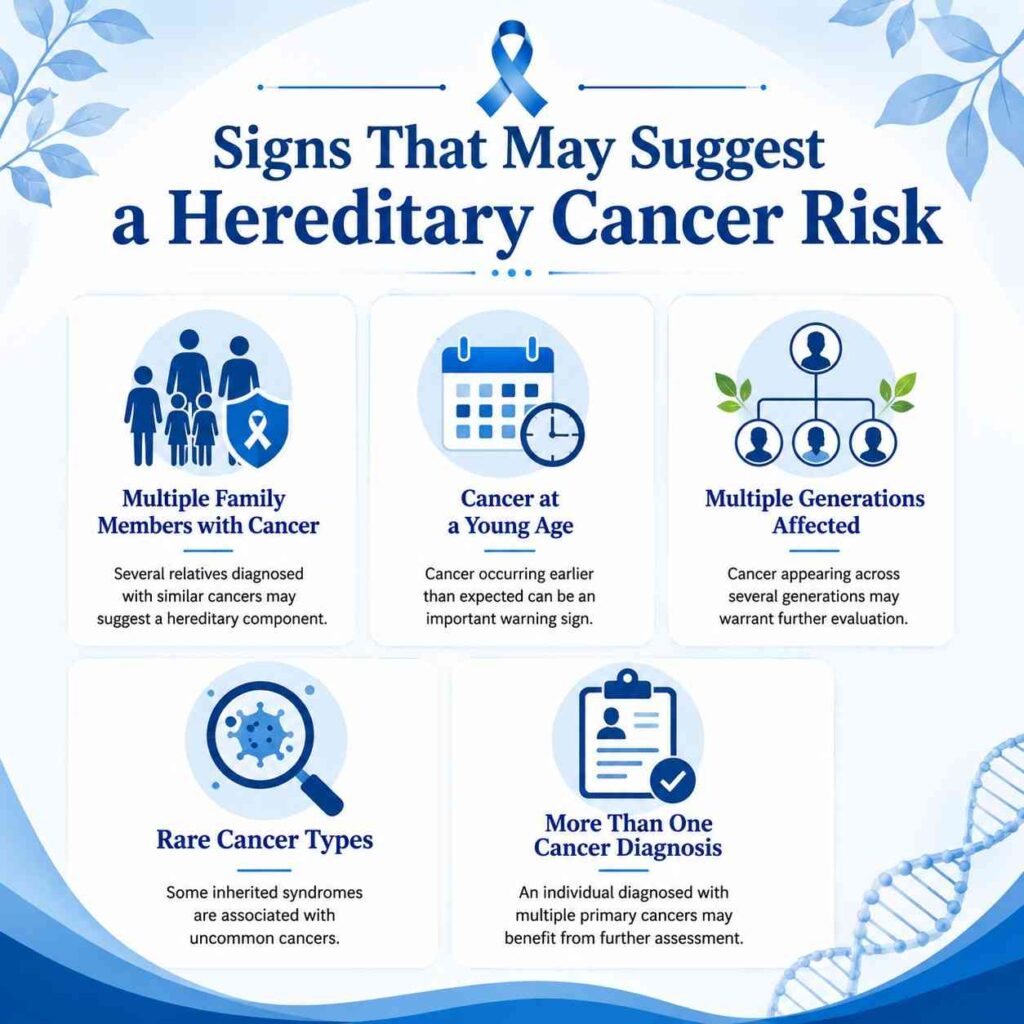
- Multiple relatives diagnosed with cancer
- Cancer occurring at a young age in the family
- Known hereditary cancer syndromes among relatives
- Concerns about inherited cancer risk
- Questions regarding genetic testing
Early evaluation can help determine whether additional screening or counseling may be beneficial.
Learn More About Hereditary Cancers
Living with an inherited cancer risk often begins with understanding how hereditary cancers develop and how genetic mutations can influence cancer risk across generations. Individuals who want to learn more about the causes, risk factors, genetic testing, and prevention strategies associated with inherited cancers can explore what is hereditary cancers for a detailed overview of hereditary cancer syndromes and genetic cancer risk.
Conclusion
Understanding inherited cancer risk allows individuals and families to make informed decisions about their health. Although hereditary cancer risk can increase the likelihood of developing certain cancers, modern screening programs, genetic counseling, and personalized healthcare strategies provide valuable opportunities for prevention and early detection.
By staying informed, maintaining regular medical follow-up, and adopting proactive health practices, many individuals successfully manage their inherited cancer risk while maintaining a high quality of life. For additional information about hereditary cancer syndromes, genetic testing, and inherited cancer risk, readers can explore understanding hereditary cancer and genetic risk factors.
Frequently Asked Questions
1. What does living with a hereditary cancer risk mean?
2. Does having a hereditary cancer risk mean I will definitely develop cancer?
3. How can I know if cancer risk runs in my family?
4. What are the most common hereditary cancer syndromes?
5. Who should consider genetic testing for cancer risk?
6. How can genetic counseling help individuals with hereditary cancer risk?
7. What cancer screening tests may be recommended for people with hereditary cancer risk?
8. Can lifestyle changes help reduce cancer risk?
9. Why is early detection important for individuals with hereditary cancer risk?
10. How can I talk to my family about hereditary cancer risk?

Dr. Bibin Francis
Dr. Bibin Francis is a dedicated medical oncologist with expertise in chemotherapy, immunotherapy, targeted therapy, and personalized cancer treatment planning for a wide range of malignancies.
Jubilee Mission Medical College & Research Institute, Thrissur, Kerala