
Skin Cancer Reconstruction After Surgery: Healing and Restoration
For individuals undergoing skin cancer surgery in Thrissur, reconstruction plays an important role in restoring both function and appearance after tumor removal. Procedures such as Mohs surgery or wide excision may leave skin defects that require careful repair. Skin cancer reconstruction is designed to rebuild the treated area using specialized techniques that support healing while preserving natural structure.
Reconstruction is commonly performed after removal of tumors affecting visible or functionally sensitive areas such as the face, nose, or ears. The goal is not only to close the surgical wound but also to help maintain normal movement, contour, and symmetry.
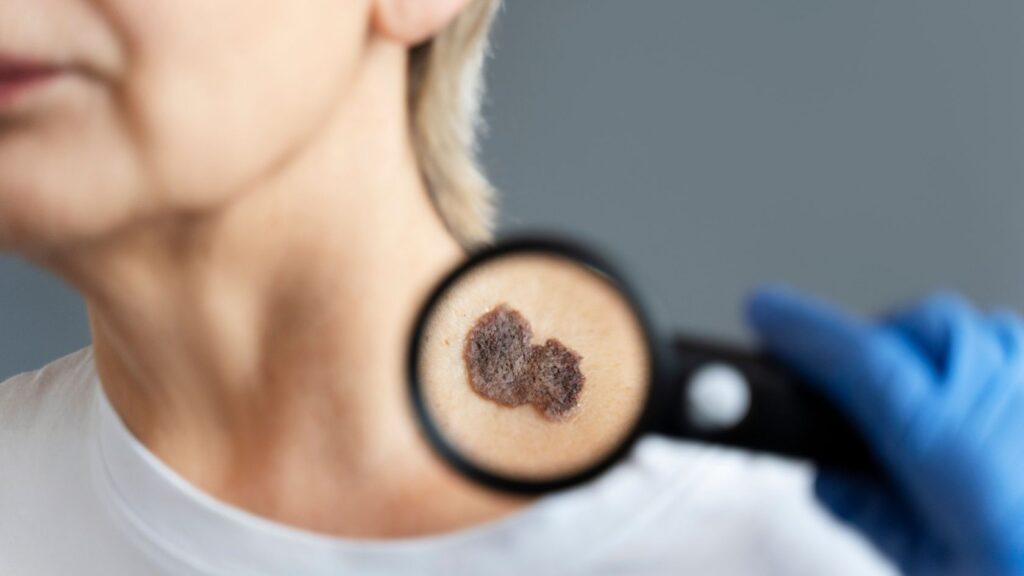
Understanding Skin Cancer Reconstruction
Skin cancer reconstruction refers to the process of repairing the area after surgical removal of cancerous tissue. This may involve simple closure or more advanced techniques depending on the size, depth, and location of the defect.
Reconstruction aims to:
Restore natural appearance
Support proper function
Promote smooth healing
Minimize visible scarring
The choice of technique depends on the surgical defect and surrounding skin condition.
Goals of Reconstruction
The primary goals of reconstruction include:
Restoration
Rebuilding the treated area so it looks and functions as naturally as possible. This is especially important in areas such as:
Eyelids
Nose
Lips
Ears
Proper reconstruction helps preserve movement and structural support.
Cosmetic Outcome
Reconstruction also focuses on reducing visible scars by placing incisions along natural skin creases or contours.
Key Reconstruction Techniques
Different reconstruction methods are used depending on the surgical wound.
1. Primary Closure
This is the simplest method. The edges of the wound are directly stitched together.
Suitable for smaller defects
Allows faster healing
Produces minimal scarring in many cases
2. Local Flap Reconstruction
This is one of the most commonly used facial techniques.
Nearby skin with its own blood supply is repositioned
Helps match color and texture
Maintains structural integrity
Local flaps are particularly useful for areas where cosmetic outcome is important.
3. Skin Grafting
In cases where direct closure is not possible, a small patch of skin is taken from another part of the body, such as:
Behind the ear
Neck
The graft is placed over the surgical site to support healing.
4. Cartilage Grafting
For deeper defects, especially on the nose, cartilage grafting may be required.
Provides structural support
Maintains shape
Helps preserve function
This technique is often used when underlying tissue has been removed.
Recovery and Healing Timeline
Healing after reconstruction occurs in stages.
Initial Healing
The early recovery period typically lasts about 4 to 6 weeks. During this phase:
Swelling reduces
Wounds begin to close
Skin starts to adapt
Proper wound care during this time supports smooth recovery.
Scar Maturation
Scars may appear:
Red
Firm
Slightly raised
around six weeks after surgery. Over time, scars gradually soften and flatten.
Full scar maturation may take 9 to 12 months.
Importance of Wound Care
Proper care plays a key role in achieving optimal results.
Post-reconstruction care may include:
Keeping the area clean
Protecting the wound from sun exposure
Following dressing instructions
Attending follow-up visits
Good care helps minimize scarring and improve long-term outcomes.
Functional Considerations
Reconstruction is not only about appearance. It also supports:
Breathing (nasal repairs)
Vision (eyelid repairs)
Facial symmetry
Skin flexibility
Restoring these functions helps maintain comfort and daily activities.
Cosmetic Expectations
While reconstruction improves appearance, minor changes may still be noticeable initially. Over time:
Swelling decreases
Skin blends more naturally
Scar texture improves
The final outcome continues to evolve for several months.
Monitoring During Recovery
Follow-up visits help monitor:
Healing progress
Scar development
Skin response
Early identification of any concerns allows timely management.
Emotional Impact
Reconstruction after surgery can influence self-confidence. Understanding the healing process helps patients set realistic expectations and stay positive during recovery.
Long-Term Outcomes
With proper technique and care, reconstruction supports:
Stable healing
Improved contour
Functional preservation
Long-term monitoring ensures continued skin health.
Final Overview
Skin Cancer Reconstruction After Surgery: Healing and Restoration focuses on repairing the treated area following tumor removal. Techniques such as primary closure, local flaps, skin grafts, and cartilage support help restore both function and appearance. Initial healing typically takes 4 to 6 weeks, while scar maturation continues for several months.
For individuals undergoing skin cancer reconstruction in Thrissur, understanding the healing process and available techniques supports informed decisions and smoother recovery after surgery.
Table Of Content
Lorem ipsum dolor sit amet, consectetur adipiscing elit. Ut elit tellus, luctus nec ullamcorper mattis, pulvinar dapibus leo.
Skin cancer treatment:
Skin cancer treatment involves removing or controlling cancerous skin cells using surgical and non-surgical medical approaches based on the type and stage.
consultation:
A skin cancer consultation includes lesion assessment, medical history review, clinical examination, and planning further diagnostic or treatment steps.
Risks:
Risks may include scarring, infection, bleeding, delayed healing, or the need for additional treatment. Risks and Complications
Frequently Asked Questions
1. What is skin cancer reconstruction after surgery?
2. Why is reconstruction needed after skin cancer surgery?
3. What are the common reconstruction techniques used?
4. What is primary closure?
5. What is a local flap reconstruction?
6. How does skin grafting work?
7. When is cartilage grafting required?
8. How long does initial healing take?
9. How long do scars take to mature?
10. What helps improve healing after reconstruction?
Dr. Bibin Francis
Dr. Bibin Francis is a dedicated Medical Oncologist, specializes in chemotherapy, immunotherapy, targeted therapy, and the treatment of various cancers including lung cancer, gastrointestinal cancers, breast cancer, head & neck cancers, and blood cancers (leukemia/lymphoma).
He works with a multidisciplinary oncology team and utilizes modern diagnostic & treatment technology to provide the best possible care for his patients.