
Skin Cancer Treatment: Diagnosis, Treatment Methods, and Long-Term Care Management
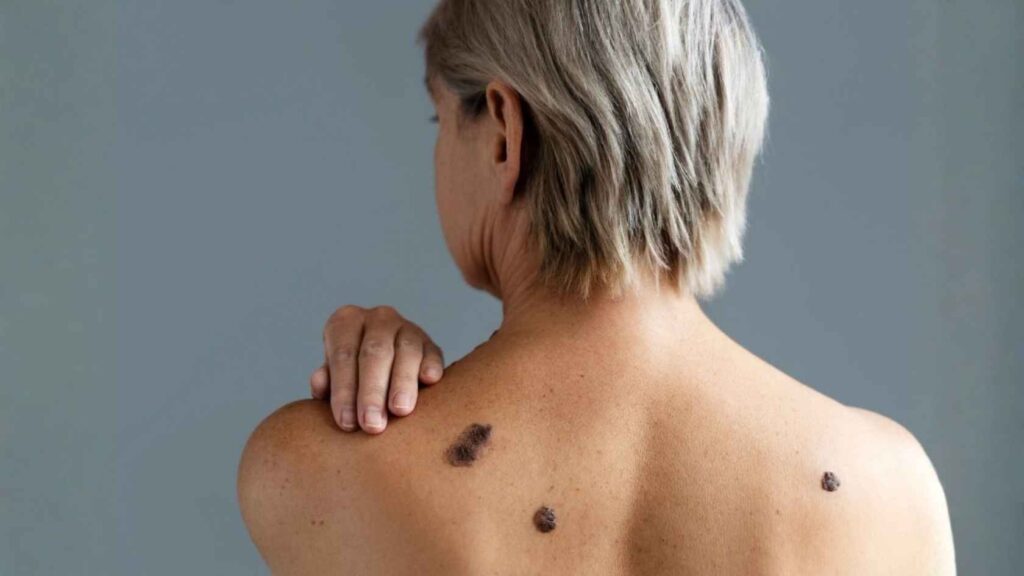
For individuals seeking information about skin cancer care in Thrissur, understanding treatment approaches can help patients and families prepare for diagnosis, decision-making, and recovery. Skin cancer treatment depends on the type of cancer, stage of disease, location of the lesion, and overall health status. Medical evaluation and structured treatment planning support safe and effective management while focusing on both disease control and long-term skin health.
Skin cancer includes different conditions such as basal cell carcinoma, squamous cell carcinoma, and melanoma. Each type requires a specific treatment strategy based on its behavior, depth, and risk of spread. Early diagnosis plays a significant role in improving treatment outcomes and reducing complications.
1. Understanding Skin Cancer And Its Treatment Goals
Skin cancer treatment focuses on removing cancer cells, preventing recurrence, and preserving skin function and appearance. The treatment approach varies depending on whether the cancer is localized or has spread to nearby tissues or lymph nodes.
Primary goals of treatment include:
Eliminating cancerous tissue
Preventing disease progression
Minimizing damage to surrounding skin
Supporting healing and recovery
Monitoring for recurrence
Doctors evaluate tumor size, depth, location, and patient health before recommending treatment.
2. Types Of Skin Cancer That May Require Treatment
Skin cancer treatment differs based on cancer type. The most common types include:
Basal Cell Carcinoma:
A slow-growing cancer that usually develops on sun-exposed areas. Treatment typically focuses on complete removal of the lesion.
Squamous Cell Carcinoma:
This type may grow deeper into the skin and requires timely treatment to prevent spread.
Melanoma:
A more aggressive form of skin cancer that may spread to lymph nodes and other organs if untreated. Treatment planning often includes advanced evaluation and follow-up.
Each type requires a tailored treatment strategy based on severity and spread.
3. Initial Evaluation Before Treatment
Before starting treatment, doctors perform a detailed medical evaluation. This includes:
Skin examination
Dermatoscopic assessment
Biopsy for confirmation
Imaging tests when necessary
Review of medical history
These steps help determine the stage of cancer and guide treatment decisions.
4. Surgical Treatment Options
Surgery is one of the most common approaches for treating skin cancer. The goal is to remove cancerous tissue along with a small margin of healthy skin.
Common surgical methods include:
Excision Surgery:
Removal of the tumor with surrounding tissue to reduce recurrence risk.
Mohs Surgery:
Layer-by-layer removal of cancer cells with microscopic examination to preserve healthy tissue.
Curettage And Electrodessication:
Scraping away cancer tissue followed by controlled heat to destroy remaining cells.
Surgical treatment is often recommended for localized skin cancers.
5. Non-Surgical Treatment Methods
Some cases may require non-surgical treatment depending on cancer type, size, and patient health.
These may include:
Radiation therapy
Topical medications
Cryotherapy (freezing cancer cells)
Photodynamic therapy
Targeted therapy for advanced disease
These approaches may be used alone or combined with surgery.
6. Radiation Therapy In Skin Cancer Care
Radiation therapy uses controlled energy beams to destroy cancer cells. It is typically used when surgery is not suitable or when cancer has spread to surrounding tissues.
Radiation therapy may also be recommended after surgery to reduce recurrence risk. Treatment schedules depend on tumor size and patient health.
7. Role Of Topical And Medical Treatments
Certain early-stage skin cancers may be treated with medicated creams or systemic therapy. These treatments target abnormal cells while minimizing impact on healthy skin.
Medical therapies may include:
Immune-response modifying creams
Chemotherapy-based topical agents
Immunotherapy medications for advanced melanoma
Doctors evaluate the suitability of these options based on cancer type and stage.
8. Treatment Planning Based On Cancer Stage
Treatment decisions are guided by staging. Early-stage cancers may require localized treatment, while advanced cancers need comprehensive care.
Factors influencing treatment planning include:
Tumor thickness
Location on the body
Spread to lymph nodes
Overall patient health
Previous treatment history
Staging helps determine the safest and most effective approach.
9. Managing Side Effects During Treatment
Skin cancer treatment may cause temporary side effects depending on the method used. These may include:
Skin irritation
Redness and swelling
Mild discomfort
Sensitivity in treated areas
Healthcare teams provide guidance on skin care, wound management, and symptom monitoring during recovery.
10. Importance Of Follow-Up Care
Follow-up care is essential after skin cancer treatment. Regular check-ups help detect recurrence early and monitor skin health.
Follow-up may include:
Periodic skin examinations
Imaging tests if required
Evaluation of surgical scars
Monitoring for new lesions
Long-term monitoring supports early intervention when needed.
11. Preventive Measures After Treatment
Preventive care plays a major role in reducing future risk. Patients are advised to:
Protect skin from excessive sun exposure
Use sunscreen regularly
Wear protective clothing
Perform self-skin examinations
Attend scheduled medical reviews
These measures support long-term skin health and awareness.
12. Emotional And Psychological Support
Skin cancer treatment may affect emotional well-being. Anxiety, uncertainty, and concerns about appearance are common. Support services such as counseling and patient education help address these challenges.
Open communication with healthcare providers and family members supports coping and recovery.
13. Rehabilitation And Skin Care After Treatment
Healing after treatment requires proper skin care and monitoring. Patients may receive guidance on:
Wound care
Scar management
Nutrition for healing
Avoiding skin irritation
Rehabilitation ensures comfortable recovery and reduces complications.
14. Long-Term Health Monitoring
Even after successful treatment, ongoing monitoring is important. Skin cancer survivors may require periodic evaluation for recurrence or development of new lesions.
Regular health reviews help maintain awareness and ensure timely care if changes occur.
15. Factors That Influence Treatment Outcomes
Treatment outcomes vary depending on multiple factors such as:
Early diagnosis
Cancer type
Treatment method
Overall health
Adherence to follow-up care
Early detection and structured treatment planning significantly improve outcomes.
16. Key Points For Patients And Families
Understanding treatment options, expected recovery, and follow-up requirements helps patients prepare for the care journey. Patients are encouraged to ask questions, clarify doubts, and stay informed throughout treatment.
Active participation in treatment planning supports better understanding and confidence in decision-making.
17. Final Overview
Skin cancer treatment involves careful diagnosis, individualized treatment planning, and consistent follow-up care. Medical evaluation helps determine the most suitable treatment method based on cancer type and stage. Ongoing monitoring, preventive measures, and patient education support long-term health and recovery. For individuals seeking structured skin cancer care in Thrissur, understanding treatment approaches and preparing for each stage of care can support informed decisions and a well-organized treatment journey.
Table Of Content
consultation:
A skin cancer consultation includes lesion assessment, medical history review, clinical examination, and planning further diagnostic or treatment steps.
Cost:
The cost of skin cancer treatment varies depending on cancer type, treatment method, hospital facilities, and follow-up care requirements.
Steps:
The procedure generally involves lesion evaluation, surgical removal of the cancerous tissue, ensuring clear margins, and wound closure. Steps
Risks and Complications:
Risks may include scarring, infection, bleeding, delayed healing, or the need for additional treatment. Risks and Complications
Reconstruction After Surgery:
Reconstruction after surgery focuses on restoring skin structure and appearance using grafts, flaps, or other reconstructive techniques.
Frequently Asked Questions
1. What is skin cancer treatment?
Skin cancer treatment involves medical methods used to remove or control cancerous skin cells and prevent disease progression.
2. Which types of skin cancer require treatment?
Common types include basal cell carcinoma, squamous cell carcinoma, and melanoma.
3. Is surgery always required for skin cancer treatment?
No, treatment depends on cancer type, stage, and location. Some cases may be treated with non-surgical methods.
4. What are the common surgical treatments for skin cancer?
Excision surgery, Mohs surgery, and curettage with electrodessication are commonly used procedures.
5. Can skin cancer be treated without surgery?
Yes, radiation therapy, topical medications, cryotherapy, and photodynamic therapy may be used in certain cases.
6. How is the treatment plan decided for skin cancer?
Treatment planning is based on cancer type, stage, size, location, and overall patient health.
7. Are there side effects during skin cancer treatment?
Possible side effects include redness, swelling, irritation, and mild discomfort in treated areas.
8. Why is follow-up important after skin cancer treatment?
Follow-up helps monitor healing, detect recurrence early, and identify new skin changes.
9. How can I prevent skin cancer after treatment?
Sun protection, regular skin checks, and medical reviews help reduce future risk.
10. What should patients expect during recovery from skin cancer treatment?
Recovery may involve wound care, skin protection, monitoring, and gradual healing depending on the treatment method.
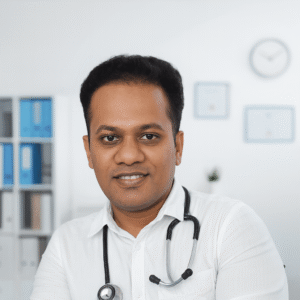
Dr. Bibin Francis
Dr. Bibin Francis is a dedicated Medical Oncologist, specializes in chemotherapy, immunotherapy, targeted therapy, and the treatment of various cancers including lung cancer, gastrointestinal cancers, breast cancer, head & neck cancers, and blood cancers (leukemia/lymphoma).
He works with a multidisciplinary oncology team and utilizes modern diagnostic & treatment technology to provide the best possible care for his patients.