
What Terms Should I Know About Lung Cancer?
What terms should I know about lung cancer is an important question for individuals seeking lung cancer information in Thrissur, as understanding commonly used medical terms can make conversations with healthcare teams clearer and reduce confusion during diagnosis, treatment planning, and follow-up care. Lung cancer involves many technical words related to diagnosis, staging, treatment, and recovery. Becoming familiar with these terms helps patients and families participate more actively in care decisions and better understand medical reports and discussions.
Below is a structured overview of important lung cancer–related terms explained in simple, patient-friendly language.
1. Lung Cancer
Lung cancer is a disease in which abnormal cells grow uncontrollably in lung tissue. These abnormal cells can form tumors and may interfere with normal breathing and oxygen exchange. Lung cancer can remain localized or spread to other parts of the body if not treated early.
2. Tumor
A tumor is a mass of abnormal cells that forms when cells divide uncontrollably. Tumors can be benign (non-cancerous) or malignant (cancerous). In lung cancer, malignant tumors can invade nearby tissues and spread to distant organs.
3. Malignant And Benign
Malignant refers to cancerous growths that can spread and damage surrounding tissues. Benign refers to non-cancerous growths that usually do not spread and often grow slowly. Lung cancer specifically involves malignant tumors.
4. Metastasis
Metastasis is the process by which cancer cells spread from the original tumor site to other parts of the body. In lung cancer, metastasis commonly affects organs such as bones, brain, liver, or adrenal glands. Detecting metastasis helps guide treatment planning.
5. Staging
Staging describes how advanced the cancer is and how far it has spread. Lung cancer stages typically range from early-stage disease to advanced-stage disease. Staging is based on tumor size, lymph node involvement, and presence of metastasis. Accurate staging supports appropriate treatment selection.
6. Biopsy
A biopsy is a medical procedure used to remove a small tissue sample for laboratory testing. In lung cancer, a biopsy confirms the diagnosis by identifying cancer cells under a microscope. Different biopsy methods may be used depending on tumor location.
7. Imaging Tests
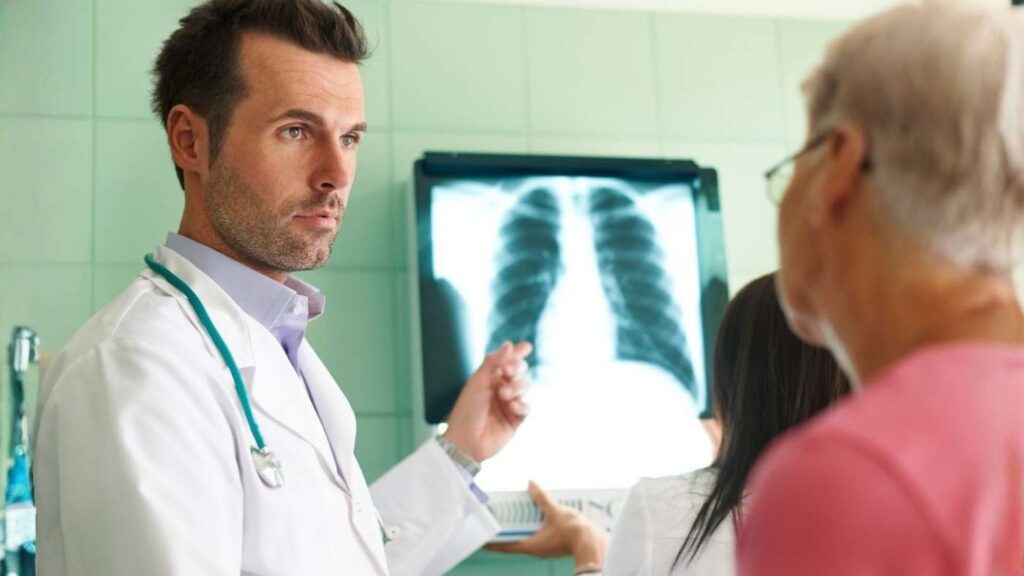
Imaging tests include scans such as X-rays, CT scans, PET scans, and MRI scans. These tests create visual images of the lungs and surrounding organs. Imaging helps detect tumors, evaluate size, and monitor treatment response.
8. Histopathology
Histopathology refers to the microscopic examination of tissue samples obtained through biopsy. This process helps determine cancer type, cell characteristics, and disease behavior. Histopathology results are essential for treatment planning.
9. Non-Small Cell Lung Cancer
Non-small cell lung cancer is the most common type of lung cancer. It includes subtypes such as adenocarcinoma and squamous cell carcinoma. Treatment approaches vary based on subtype and disease stage.
10. Small Cell Lung Cancer
Small cell lung cancer is a less common but more aggressive form of lung cancer. It tends to grow and spread faster than non-small cell lung cancer. Early diagnosis and prompt treatment are important for managing this type.
11. Chemotherapy
Chemotherapy is a treatment method that uses medications to destroy cancer cells or slow their growth. It may be used alone or combined with other therapies. Chemotherapy can be given before surgery, after surgery, or as primary treatment depending on disease stage.
12. Radiation Therapy
Radiation therapy uses high-energy rays to target and destroy cancer cells. It may be used to shrink tumors, control symptoms, or eliminate remaining cancer cells after surgery. Radiation treatment is planned carefully to minimize damage to healthy tissues.
13. Immunotherapy
Immunotherapy is a treatment that helps the body’s immune system recognize and attack cancer cells. It works by enhancing immune responses or blocking signals that allow cancer cells to avoid immune detection. Immunotherapy is commonly used in certain lung cancer cases.
14. Targeted Therapy
Targeted therapy focuses on specific genetic or molecular features of cancer cells. These treatments aim to block cancer growth pathways while minimizing effects on normal cells. Genetic testing often guides targeted therapy selection.
15. Surgery
Surgery involves physically removing the tumor and surrounding tissue. Surgical treatment may be recommended in early-stage lung cancer. The extent of surgery depends on tumor size, location, and lung function.
16. Lymph Nodes
Lymph nodes are small structures that filter lymph fluid and support immune function. In lung cancer, cancer cells may spread to nearby lymph nodes. Lymph node involvement is an important factor in cancer staging.
17. Performance Status
Performance status refers to a patient’s overall physical ability to perform daily activities. It helps healthcare teams assess treatment tolerance and choose appropriate therapy options. A good performance status often allows more treatment choices.
18. Side Effects
Side effects are unwanted effects caused by cancer treatments. These may include fatigue, nausea, appetite changes, skin reactions, or breathing discomfort. Side effect management is an important part of supportive care.
19. Supportive Care
Supportive care focuses on symptom relief and improving comfort during treatment. It includes pain management, nutritional support, emotional counseling, and physical rehabilitation. Supportive care can be provided alongside active cancer treatment.
20. Palliative Care
Palliative care aims to improve quality of life by managing symptoms and reducing discomfort. It does not replace cancer treatment but complements it by addressing physical and emotional needs.
21. Remission
Remission refers to a period when signs of cancer decrease or disappear after treatment. Complete remission means no detectable cancer is present, while partial remission means cancer has reduced but not fully disappeared.
22. Recurrence
Recurrence occurs when cancer returns after a period of remission. Recurrence may happen in the lungs or other parts of the body. Regular follow-up care helps detect recurrence early.
23. Follow-Up Care
Follow-up care includes scheduled medical visits after treatment completion. It involves imaging tests, physical exams, and symptom monitoring. Follow-up care supports long-term health and early detection of complications.
24. Rehabilitation
Rehabilitation includes physical and respiratory therapy programs designed to improve strength, breathing capacity, and daily functioning. Rehabilitation supports recovery and long-term quality of life.
25. Prognosis
Prognosis refers to the expected course of the disease and potential outcomes. Prognosis depends on cancer stage, treatment response, overall health, and individual factors. It helps guide long-term planning and care expectations.
26. Clinical Trials
Clinical trials are research studies that test new treatments or treatment combinations. Participation in clinical trials may offer access to emerging therapies. Patients receive detailed information before enrolling in any trial.
27. Molecular Testing
Molecular testing analyzes cancer cells for genetic changes that influence treatment selection. This testing supports personalized treatment approaches such as targeted therapy.
28. Multidisciplinary Care
Multidisciplinary care involves collaboration among specialists from different medical fields. This team-based approach ensures comprehensive treatment planning and coordinated patient care.
29. Symptom Monitoring
Symptom monitoring involves tracking physical changes such as breathing difficulty, pain, fatigue, or appetite loss. Reporting symptoms early helps healthcare teams manage side effects and adjust treatment plans.
30. Long-Term Survivorship
Survivorship refers to life after cancer treatment. It includes physical recovery, emotional adjustment, lifestyle changes, and ongoing medical monitoring. Survivorship care focuses on maintaining long-term health and well-being.
Final Overview
Understanding common lung cancer terms improves communication, reduces uncertainty, and supports informed decision-making throughout the care journey. Familiarity with diagnostic, treatment, and recovery-related terminology helps patients actively participate in discussions and better interpret medical information. For individuals learning about lung cancer in Thrissur, building this knowledge base contributes to improved confidence, clearer expectations, and better engagement in long-term health management.
TABLE OF CONTENT
Introduction: Lung cancer is a condition where abnormal cells grow uncontrollably in the lungs, affecting breathing and overall health. Learn more
Candidate: Individuals diagnosed with lung cancer who are medically fit and whose condition can benefit from active therapy are considered good candidates for treatment. Learn more
Cost: The cost of lung cancer treatment varies based on cancer stage, treatment type, and duration of care required. Learn more
Consultation: During a lung cancer consultation, you can expect a detailed review of symptoms, diagnostic reports, and clear guidance on the next steps for evaluation and treatment planning. Learn more
Questions: Ask about the type and stage of lung cancer, available treatment options, expected benefits, possible side effects, and how treatment may affect daily life. Learn more
Risks: Risks can include fatigue, infection, breathing difficulties, nausea, hair loss, and treatment-specific complications depending on the method used. Learn more
Preparation: Preparation usually involves medical tests, medication review, lifestyle adjustments, nutritional support, and discussing practical and emotional support needs. Learn more
Steps: Lung cancer treatment typically follows a stepwise approach including diagnosis, staging, treatment planning, active therapy, and regular follow-up. Learn more
Recovery: Recovery may involve gradual improvement in strength, management of side effects, rehabilitation, and ongoing monitoring for treatment response. Learn more
Results: Results vary based on cancer stage and treatment type, ranging from symptom relief and disease control to long-term remission in some cases. Learn more
Before-and-after results: Before-and-after results may show reduced tumor size, improved breathing, better symptom control, and changes seen on follow-up scans. Learn more
Choosing the right doctor: Choosing the right doctor involves considering experience, specialization in lung cancer, access to multidisciplinary care, and clear communication. Learn more
Frequently Asked Questions
1. What is lung cancer?
Lung cancer is a condition where abnormal cells grow uncontrollably in lung tissue, forming tumors that affect breathing and oxygen exchange.
2. What does the term tumor mean in lung cancer?
A tumor is a mass of abnormal cells. In lung cancer, tumors are malignant and can spread to nearby tissues or organs.
3. What is metastasis in lung cancer?
Metastasis refers to the spread of cancer cells from the lungs to other parts of the body such as bones, brain, or liver.
4. What does lung cancer staging mean?
Staging describes how advanced the cancer is, including tumor size, lymph node involvement, and whether the cancer has spread.
5. Why is a biopsy important for lung cancer diagnosis?
A biopsy confirms the presence of cancer by examining a tissue sample under a microscope and helps identify the cancer type.
6. What is the difference between small cell and non-small cell lung cancer?
Non-small cell lung cancer is more common and usually grows slower, while small cell lung cancer is more aggressive and spreads faster.
7. What is immunotherapy in lung cancer treatment?
Immunotherapy helps the immune system recognize and attack cancer cells more effectively.
8. What does remission mean after lung cancer treatment?
Remission means that cancer signs have reduced or disappeared following treatment, either partially or completely.
9. Why is follow-up care important after lung cancer treatment?
Follow-up care helps monitor recovery, detect recurrence early, and manage long-term health.
10. What is supportive care in lung cancer management?
Supportive care focuses on symptom relief, comfort, emotional support, and improving quality of life during treatment.