
Gastrointestinal Cancer Treatment Risks In Thrissur
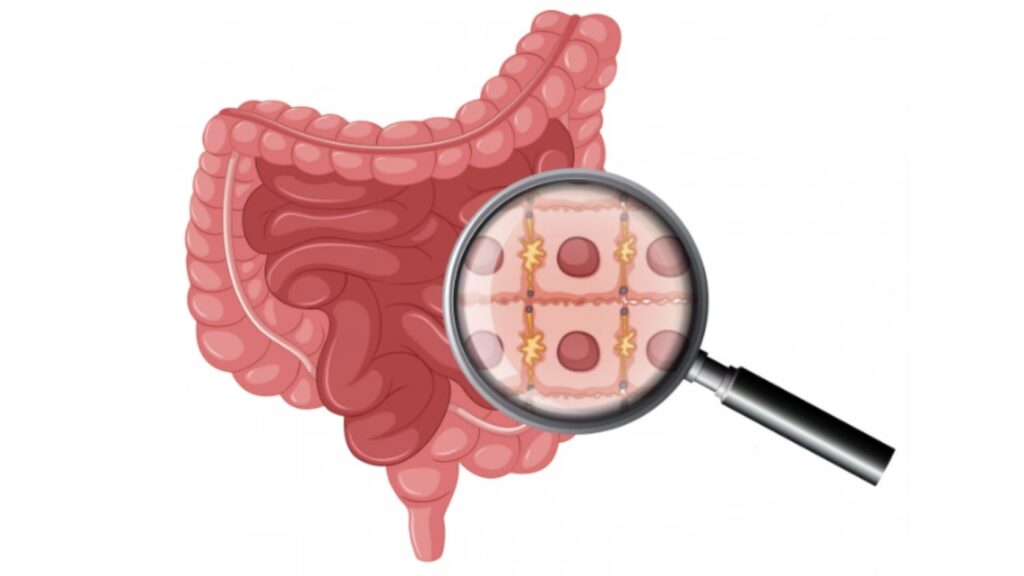
Advanced medical facilities and comprehensive oncology services have made it possible for patients diagnosed with digestive system cancers to receive sophisticated care close to home, including those seeking treatment in Thrissur. While modern therapies significantly improve survival and quality of life, understanding the potential gastrointestinal cancer treatment risks in Thrissur is essential for making informed decisions and preparing for the treatment journey.
Gastrointestinal (GI) cancers affect organs responsible for digestion, including the esophagus, stomach, liver, pancreas, gallbladder, small intestine, colon, rectum, and anus. Treatment approaches vary depending on the cancer type, stage, spread, and overall health of the patient. Common modalities include surgery, chemotherapy, radiation therapy, targeted therapy, immunotherapy, or a combination of these. Each option carries its own set of benefits and risks.
Surgical Treatment Risks for GI Cancers
Surgery is often the primary curative treatment when cancer is localized. Procedures may involve removing tumors, affected organs, nearby tissues, and lymph nodes.
Immediate Surgical Risks
Bleeding:
Major abdominal surgeries can lead to significant blood loss during or after the procedure. Some patients may require transfusions.
Infection:
GI surgeries carry a higher risk of infection due to exposure to intestinal bacteria. Infections may occur at the incision site or internally.
Anastomotic Leak:
After removing a diseased section of the intestine, surgeons reconnect the remaining ends. Leakage from this connection can cause severe complications.
Damage to Surrounding Organs:
Nearby organs such as the liver, spleen, pancreas, bladder, or blood vessels may be affected during complex procedures.
Blood Clots:
Prolonged bed rest increases the risk of deep vein thrombosis (DVT) and pulmonary embolism.
Post-Surgical Complications
- Delayed return of bowel function
- Nausea and vomiting
- Fluid imbalance
- Hernia at the incision site
- Long recovery period
Chemotherapy Risks and Side Effects
Chemotherapy uses powerful drugs to destroy rapidly dividing cancer cells, but it also affects healthy cells.
Common Side Effects
Nausea and Vomiting:
Despite improved medications, digestive discomfort remains common.
Hair Loss:
Temporary hair thinning or loss may occur depending on the drugs used.
Fatigue:
Persistent exhaustion can affect daily life and emotional well-being.
Loss of Appetite:
Changes in taste and digestive irritation often reduce food intake.
Serious Risks
Low Immunity:
Reduced white blood cells increase susceptibility to infections.
Anemia:
Low red blood cells cause weakness, dizziness, and breathlessness.
Bleeding Tendencies:
Low platelet counts may lead to bruising or prolonged bleeding.
Organ Toxicity:
Certain drugs can affect the heart, liver, kidneys, or nervous system.
Radiation Therapy Risks
Radiation therapy uses high-energy rays to kill cancer cells and shrink tumors.
Short-Term Effects
- Skin irritation or burns
- Fatigue
- Nausea
- Diarrhea
- Abdominal discomfort
Long-Term Risks
Damage to Nearby Organs:
Radiation may affect the bowel, bladder, liver, or stomach.
Chronic Digestive Issues:
Long-term diarrhea, bowel urgency, or narrowing of the intestine may develop.
Fertility Problems:
Radiation near reproductive organs can impair fertility.
Secondary Cancers:
Rarely, radiation exposure may increase the risk of another cancer later in life.
Targeted Therapy Risks
Targeted therapies focus on specific molecules that help cancer grow. While more precise, they still cause side effects.
- High blood pressure
- Skin rashes or dryness
- Liver dysfunction
- Delayed wound healing
- Increased risk of bleeding or clotting
Side effects vary depending on the drug and patient response.
Immunotherapy Risks
Immunotherapy stimulates the immune system to attack cancer cells. However, it may also target healthy tissues.
Immune-Related Complications
- Lung inflammation (pneumonitis)
- Liver inflammation (hepatitis)
- Severe diarrhea due to colitis
- Hormonal imbalances (thyroid disorders)
- Skin reactions
These complications can appear during treatment or months afterward.
Nutritional and Digestive Complications
Because GI cancers directly involve the digestive system, treatments often affect nutrition.
Malabsorption:
Reduced ability to absorb nutrients and vitamins.
Weight Loss:
Common due to decreased appetite and metabolic changes.
Dumping Syndrome:
After stomach surgery, rapid movement of food into the intestine causes dizziness, sweating, and diarrhea.
Difficulty Swallowing:
Often occurs after treatment for esophageal cancer.
Chronic Bowel Changes:
Persistent diarrhea or constipation may develop.
Proper nutritional support is crucial for recovery and maintaining strength.
Psychological and Emotional Risks
Cancer treatment impacts mental health as much as physical health.
- Anxiety and fear about outcomes
- Depression
- Changes in body image
- Social withdrawal
- Stress on family relationships
Emotional support, counseling, and support groups can significantly improve coping and recovery.
Risks Associated with Advanced GI Cancer
When cancer is diagnosed at a later stage, complications become more complex.
Obstruction:
Tumors may block the intestines or bile ducts.
Ascites:
Fluid buildup in the abdomen causes swelling and discomfort.
Severe Pain:
Advanced disease often requires strong pain management.
Palliative care focuses on comfort and quality of life when cure is not possible.
Long-Term and Post-Treatment Risks
Even after successful treatment, patients may experience ongoing issues.
Cancer Recurrence:
The disease may return locally or spread to other organs.
Adhesions:
Internal scar tissue can cause bowel obstruction.
Chronic Fatigue:
Long-lasting tiredness is common among survivors.
Lifestyle Adjustments:
Diet changes and regular monitoring may be necessary.
Factors That Influence Risk Levels
Not every patient faces the same level of risk. Outcomes depend on:
- Age and overall health
- Stage and type of cancer
- Nutritional status
- Presence of other medical conditions
- Smoking or alcohol use
- Previous treatments
Personalized treatment plans aim to maximize effectiveness while minimizing harm.
How Treatment Risks Are Reduced
Modern oncology care uses multiple strategies to improve safety:
Comprehensive Pre-Treatment Evaluation:
Tests assess whether patients are fit for surgery or intensive therapy.
Multidisciplinary Care:
Teams of specialists collaborate to plan treatment.
Advanced Surgical Techniques:
Minimally invasive procedures reduce complications and recovery time.
Supportive Medications:
Drugs prevent nausea, infections, blood clots, and anemia.
Continuous Monitoring:
Regular tests detect problems early for prompt intervention.
Warning Signs Requiring Immediate Medical Attention
Patients undergoing GI cancer treatment should seek urgent care if they experience:
- High fever or chills
- Severe abdominal pain
- Persistent vomiting
- Sudden leg swelling
- Difficulty breathing
- Uncontrolled diarrhea
- Bleeding from any site
Early treatment can prevent life-threatening complications.
Living Safely During Treatment
Patients can actively reduce risks by following medical guidance:
- Maintain a balanced, protein-rich diet
- Stay hydrated
- Practice strict hygiene
- Avoid raw or contaminated foods during low immunity
- Stay physically active as advised
- Attend follow-up appointments regularly
- Report new symptoms promptly
Family and caregiver support plays a vital role in recovery.
Conclusion
Gastrointestinal cancer treatment risks range from temporary side effects to serious complications, depending on the therapy and individual health factors. Understanding these risks empowers patients to make informed decisions, prepare for treatment, and recognize warning signs early. With modern medical advancements, multidisciplinary care, and strong supportive systems, many complications can be effectively prevented or managed. Patients receiving gastrointestinal cancer care can approach treatment with confidence, knowing that awareness, timely intervention, and consistent follow-up greatly improve safety and outcomes in Thrissur. Staying informed, maintaining open communication with healthcare providers, and adhering to recommended care plans are key steps toward recovery and improved quality of life in Thrissur.
Table of Contents
Gastrointestinal Cancer
Treatment options for digestive system cancers using surgery, chemotherapy, radiation, or targeted therapy. Learn more
Cost
Varies based on cancer type, stage, treatment method, and hospital facilities. Learn more
Consultation
Specialist evaluation to diagnose cancer and plan appropriate treatment. Learn more
Preparation
Pre-treatment steps including tests, diet guidance, and medical instructions. Learn more
Frequently Asked Questions
1. What are the main risks of gastrointestinal cancer treatment?
The main risks include surgical complications, infections, bleeding, fatigue, digestive problems, and side effects from chemotherapy or radiation.
2. Is gastrointestinal cancer surgery dangerous?
All major surgeries carry risks such as bleeding, infection, blood clots, and leakage at the surgical site, but careful planning reduces these risks.
3. Can chemotherapy cause long-term damage?
In some cases, chemotherapy may affect organs like the heart, liver, kidneys, or nerves, but doctors monitor patients closely to prevent serious harm.
4. What digestive problems can occur after treatment?
Patients may experience diarrhea, constipation, difficulty swallowing, malabsorption, or changes in appetite.
5. Are radiation therapy side effects permanent?
Most side effects are temporary, but some patients may develop long-term bowel or tissue changes.
6. Does treatment weaken the immune system?
Yes, especially chemotherapy, which can lower white blood cell counts and increase infection risk.
7. How long does recovery usually take?
Recovery time varies depending on the treatment type, cancer stage, and overall health, ranging from weeks to several months.
8. Can gastrointestinal cancer treatment affect nutrition?
Yes, treatments often impact digestion and nutrient absorption, making dietary support essential.
9. What symptoms require immediate medical attention during treatment?
High fever, severe pain, persistent vomiting, breathing difficulty, uncontrolled diarrhea, or unusual bleeding require urgent care.
10. Can treatment risks be reduced?
Yes, following medical advice, maintaining nutrition, attending follow-ups, and reporting symptoms early significantly lowers complications.